Why Car Prices Keep Rising in Pakistan A Simple Explanation
Car prices in Pakistan keep climbing because of taxes, the falling rupee, low production, own money and smuggling. Here is what drives the cost up.
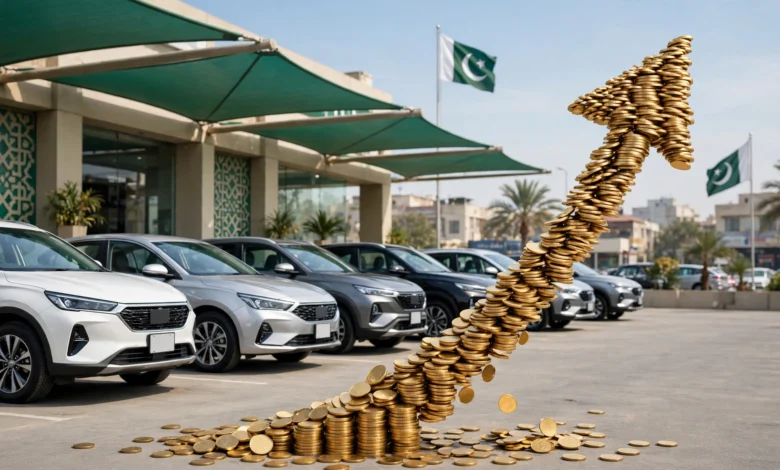
Car Prices in Pakistan: 7 Shocking Reasons They Keep Rising
Introduction
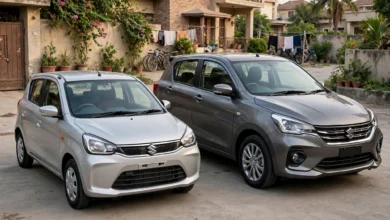
Car prices in Pakistan have turned a normal family purchase into something many people can only dream about. A few years ago, a salaried worker could save up for a Suzuki Alto or a used Corolla. Today, the same car costs more than double, and even small hatchbacks are priced like luxury goods in other countries. People ask the same question at every dinner table: why does a car made with mostly the same parts cost so much more here than in India or Thailand?
The honest answer is that there isn’t one villain. The high car prices in Pakistan come from a mix of heavy taxes, a weak rupee, imported parts, small production volumes and very little real competition. On top of that, the market has been bent for years by practices that are unethical or outright illegal, from “own money” premiums on bookings to smuggled cars and misused import schemes.
This article breaks it all down in plain language. You’ll see where your money actually goes when you buy a car, why prices rarely come down even when the dollar does, and how some players have profited from shortages. Finally, there are a few practical steps buyers can take to avoid paying more than they should. No jargon, no industry spin, just how the market really works.
7 Reasons Car Prices in Pakistan Keep Rising
The seven reasons below explain most of the car price hike in Pakistan. Some are about economics, some about policy, and some about how the industry is structured.
1. The Government Takes a Huge Share Through Taxes
When you pay for a new car, a large part of the money never reaches the company that built it. In a TV interview, Indus Motor Company’s CEO Ali Asghar Jamali said the government is the biggest stakeholder in every car sold, listing sales tax, federal excise duty, withholding tax on registration, customs duties and income tax as layers on top of the base cost (ARY News). Industry representatives have told a Senate committee that taxes on cars make up roughly 35 to 40 percent of the price (Dawn).
The catch is that taxes are charged as a percentage. So when the base price rises because of the dollar, the tax amount rises with it. A 10 percent cost increase at the factory turns into a much bigger jump at the showroom.
2. Rupee Depreciation Makes Every Part More Expensive
Most cars sold here are assembled locally, but much of what goes into them is imported as CKD kits (completely knocked down kits), plus steel, electronics and engine components. These are paid for in dollars or yen. Every time the rupee falls, the same kit costs more rupees.
Rupee depreciation has been the single biggest driver of car prices in Pakistan over the last five years. When the rupee lost ground sharply in 2022 and 2023, companies raised prices several times within a few months.
3. Prices Go Up Fast but Come Down Slowly
Here is the part that frustrates buyers most. When the rupee recovers, prices rarely drop by the same amount. Back in early 2020, Dawn reported that assemblers raised prices even though the rupee was getting stronger and sales had fallen sharply. Market watchers questioned how that matched the industry’s claims of high localisation.
This pattern tells you something important. Car prices in Pakistan are not only set by costs. They are also set by what a small number of companies believe the market will accept.
4. Low Production Means High Cost Per Car
Car factories are cheapest to run at high volumes. India produces millions of vehicles a year, while Pakistan’s output has hovered in the low hundreds of thousands and fell further after 2022. Jamali has pointed to this gap as a key reason the same model, like the Alto, costs more here.
Fewer cars means fixed costs (factories, tooling, staff, R&D fees to parent companies) are spread over fewer units. Every buyer pays a bigger slice.
5. Too Little Localisation
For decades, the auto policy offered protection to local assemblers on the promise that they would make more parts in Pakistan. In practice, many key parts are still imported. That keeps the industry tied to the dollar. Critics, including some industry figures themselves, have long argued that protection without real local assembly and parts manufacturing simply locked in high prices.
6. Expensive Car Financing
Most middle-class buyers depend on bank loans. When the State Bank pushed the policy rate up to 22 percent, monthly instalments shot up, and the SBP also tightened rules on auto financing to cut imports. That reduced demand, which lowered production further, which raised the cost per unit again. It’s a loop that hurts everyone.
7. Limited Competition
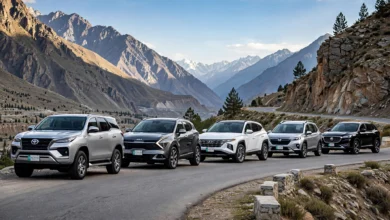
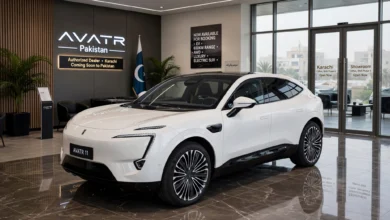
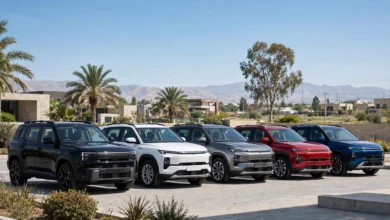
For most of Pakistan’s history, three Japanese brands dominated the market. New entrants from China and Korea have added choice since 2019, but most of them also assemble kits and face the same dollar and tax pressures. With few players, there has been little pressure to cut margins or improve value. Buyers have often paid more for older designs and fewer safety features than the same money buys abroad.
How Illegal Practices Pushed Car Prices in Pakistan Even Higher
Taxes and the dollar explain the sticker price. They don’t explain why buyers often paid lakhs more than that sticker price. For that, you have to look at the grey and black side of the market.
Own Money: The Premium That Shouldn’t Exist
Own money (or “on money”) is an extra payment demanded on top of the official price to get a car quickly. It works like this: investors and some dealers book large numbers of cars, then resell the booking or the delivered car to genuine buyers at a premium. A study by the Pakistan Institute of Development Economics (PIDE) estimated that a very large share of new passenger cars were sold with some form of premium, and its findings were cited in reports that assemblers produced well below their capacity while shortages persisted (PakWheels summary).
Own money is harmful for several reasons:
- The extra cash is undocumented, so no tax is paid on it.
- It raises the real price far above the official one.
- It rewards hoarding and long delivery times.
- It turns cars into speculative assets instead of transport.
The government responded over the years with measures such as extra taxes on vehicles transferred before registration in the first buyer’s name and rules requiring compensation to buyers when deliveries are delayed. These helped, but the practice comes back whenever supply gets tight.
Misuse of Used Car Import Schemes
Pakistan allows overseas Pakistanis to send or bring cars through personal baggage, gift and transfer of residence schemes. These were meant for families, not businesses. For years, commercial importers used the passports of overseas workers to bring in cars in bulk and sell them in local markets. Authorities have repeatedly tightened the rules after finding this abuse. The effect was a parallel market that dodged some duties and distorted used car imports.
Smuggled and Non-Custom-Paid Vehicles
Non-custom-paid vehicles (NCP cars) enter through porous borders, mainly in Khyber Pakhtunkhwa and Balochistan, without paying duties. Many are stolen abroad or have tampered documents. Customs and police have seized large numbers over the years, and periodic amnesty schemes to regularise them have drawn criticism for rewarding the practice. NCP cars hurt honest buyers in two ways: they cut government revenue, which then gets recovered through higher taxes on legal cars, and they create a risk of buying a vehicle that can later be confiscated.
Under-Invoicing and Misdeclaration
Some importers have declared lower values or wrong specifications (for example, a smaller engine size or older model year) to pay less duty. When customs catch this, the losses lead to tighter valuation rules for everyone. Legitimate buyers end up paying for the system’s leaks.
Booking Fraud and Fake Dealers
When waiting times stretch to months, fake dealers step in. There have been many cases of people paying advance amounts to so-called dealers or online sellers who promise quick delivery and then disappear. High car prices in Pakistan create desperation, and desperation is exactly what fraudsters feed on.
What Buyers Can Do About High Car Prices in Pakistan
You can’t control the dollar or the budget, but you can avoid paying more than you need to. These steps help.
Never Pay Own Money
Book directly with authorised dealerships and get an official receipt for every rupee. If a seller asks for cash “on top”, walk away or wait. Every buyer who refuses makes the practice less profitable.
Check Before Buying a Used or Imported Car
- Verify the registration through your provincial excise and taxation department’s online system.
- Match the chassis and engine numbers with the documents.
- For imported cars, ask for the customs clearance papers.
- Avoid any car without full documents, no matter how cheap. An NCP car can be seized, and you lose everything.
Time Your Purchase
Prices often rise after the federal budget and after sharp moves in the rupee. Following the news on the State Bank of Pakistan policy rate and exchange rate can help you plan. When interest rates fall, financing becomes cheaper, but prices may also rise as demand picks up.
Compare New Entrants
Newer brands sometimes offer more features for similar money. Compare safety equipment, warranty and after-sales networks, not just the price tag.
Avoid Advance Payments to Unknown Sellers
Only pay advances to authorised dealers, through bank channels, with written terms. If a deal sounds too good to be true, it usually is.
Conclusion
Car prices in Pakistan keep rising because several pressures stack on top of each other: heavy taxes that grow with every price increase, a weak rupee that makes imported kits and parts more expensive, small production volumes that raise the cost of each car, slow progress on localisation, costly financing and a market with too little competition. On top of these legal factors, illegal and unethical practices such as own money premiums, misused import schemes, smuggled non-custom-paid cars, under-invoicing and booking fraud have pushed the real cost even higher and damaged trust in the market. Buyers can’t fix the economy alone, but they can refuse to pay premiums, verify every document, deal only with authorised sellers and time their purchase wisely, which is the most practical way to protect their money until real reform brings prices down.
Keywords