Top 10 Car Maintenance Tips for Pakistan’s Harsh Summers
Car maintenance tips for Pakistan's hot summers: coolant, battery, tyres, AC and engine oil checks, plus the fuel and spare parts scams to avoid.
Car Maintenance Tips for Pakistan’s Summer: 10 Essential Ways to Beat the Heat
Introduction
Car maintenance in Pakistan is a different job from May to September. When Jacobabad and Turbat cross 50°C and Karachi traffic crawls along Shahrah-e-Faisal at walking speed, your engine, battery and tyres are working harder than they were ever tested for in a Japanese or Korean lab. Most breakdowns you see on the roadside in June are not bad luck. They are the result of a skipped coolant top-up, a three-year-old battery, or tyres pumped up at a roadside shop with a gauge that hasn’t been checked in years.
There is also a side of car maintenance that most guides skip. Pakistan has a long record of fake spare parts, recycled engine oil sold in branded bottles, adulterated petrol, and substandard CNG cylinders fitted without inspection. In the heat, these shortcuts fail faster and sometimes dangerously. A fake radiator cap or a refilled oil bottle might save you a few hundred rupees in March and cost you an engine in July.
This guide covers ten practical car maintenance tips built for Pakistan’s summer, from the cooling system to the AC. Each tip explains what to check, why heat makes it matter, and what dishonest practices to watch out for at workshops and markets. You don’t need to be a mechanic. You just need to know what to ask for, what to look at, and when to walk away from a deal that seems too cheap.
Why Summer Car Maintenance Matters More in Pakistan
Heat on its own is manageable. The problem in Pakistan is that heat comes with three other things at once: dust, stop-and-go traffic, and long highway runs on the M-2, M-9 and N-5 with very few service points in between. That combination is why summer car care in Pakistan needs more attention than the owner’s manual suggests.
Heat, Dust and Traffic Together
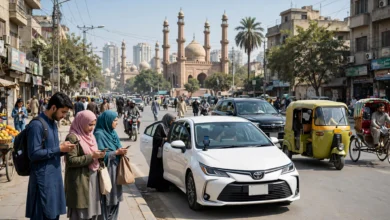
An engine idling in Karachi or Lahore traffic at 45°C has almost no airflow through the radiator. The fan does all the work, the coolant runs hotter, and the AC compressor adds extra load. Meanwhile, fine dust clogs the air filter and coats the radiator fins, which makes cooling even less efficient. This is why engine overheating is the single most common summer breakdown in the country.
Cheap Fixes Fail Faster in the Heat
In mild weather, a weak part can limp along for months. In June, the same part gets pushed past its limit every day. A counterfeit hose, a refilled battery or a fake fan belt might hold up in winter and snap on the first long trip to Sukkur. Good car maintenance in summer is mostly about removing weak links before the heat finds them.
The ten car maintenance tips below are ordered roughly by how often each problem leaves people stranded.
Top 10 Car Maintenance Tips for Pakistan’s Harsh Summers
1. Keep the Cooling System Healthy
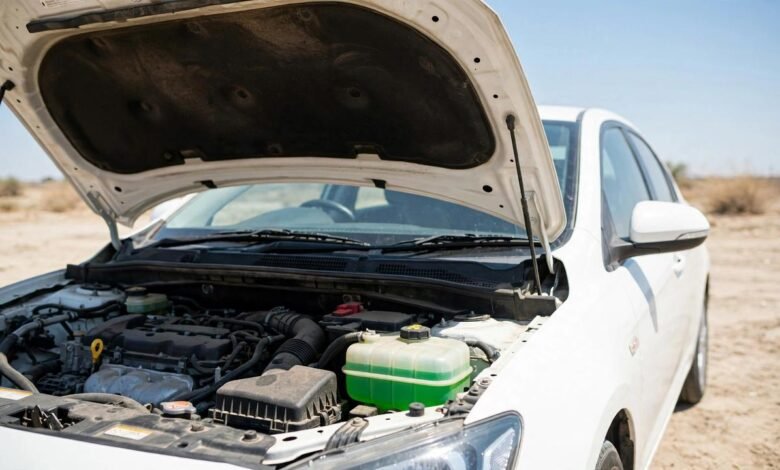
The cooling system is the heart of summer car maintenance. Check the coolant level in the overflow tank every week when the engine is cold, and never open the radiator cap on a hot engine. Pressurised coolant can cause serious burns.
- Use a proper coolant and water mix (usually 50:50), not plain tap water. Tap water leaves scale inside the radiator and boils sooner.
- Get a radiator flush every one to two years, or as your manual says.
- Look under the car after parking. Green, pink or orange drops mean a leak.
- Check hoses for cracks or soft, swollen spots.
A common trick in some markets is selling coloured water as coolant. If a bottle has no brand, no batch number and costs far less than the usual price, it is probably dye and water. That gives you none of the boil-over or corrosion protection you’re paying for.


2. Change Engine Oil on Time, and Buy It Carefully
Heat thins engine oil and breaks it down faster. An engine oil change at the right interval is one of the cheapest forms of car maintenance you can do. If you drive mostly in city traffic, go toward the shorter end of your manufacturer’s recommended interval.
The bigger risk in Pakistan is the oil itself. There have been repeated reports of used engine oil being filtered, coloured and refilled into branded bottles, which are then sold through small shops. To protect yourself:
- Buy from authorised dealers or large, established stores.
- Check the seal, batch number and packaging print quality.
- Be suspicious of prices well below market rates.
- Watch the mechanic open a sealed bottle in front of you.
3. Look After Your Car Battery in Summer
Most people think batteries die in winter. Heat actually does more damage. High temperatures speed up the chemical reactions inside and evaporate the electrolyte, so a weak car battery in summer often fails without warning.
- Clean white or green corrosion off the terminals.
- Make sure the battery is clamped tightly. Vibration on broken roads shortens its life.
- Get a load test if the battery is more than two or three years old.
- If it is a non-sealed battery, top up only with distilled water.
Be careful with “reconditioned” batteries sold as new. Some shops repaint old casings and fit fresh stickers. A genuine battery should have a clear manufacturing date and a warranty card from the brand, not just a shop stamp.
4. Check Tyre Pressure in the Morning
Hot roads raise tyre pressure and also make underinflated tyres flex more, which builds heat and can lead to blowouts on the motorway. Check pressure when the tyres are cold, ideally in the morning, and use the figure on the sticker inside the driver’s door, not the maximum printed on the tyre.
- Look for bulges, cracks and uneven wear.
- Check the manufacturing date on the sidewall (a four-digit code like 2324 means week 23 of 2024). Rubber ages even when tread looks fine.
- Keep your spare tyre inflated too.
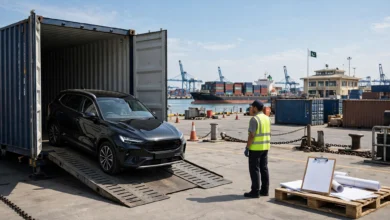
Old stock and smuggled tyres are a known problem in Pakistan. A “new” tyre that was made four or five years ago and stored in a hot warehouse has already lost much of its strength.
5. Service the AC Before the Peak Heat
Car AC maintenance is not just about comfort. In 48°C heat, a failed AC on a long drive can be a health risk, especially for children and older passengers.
- Replace the cabin air filter. Dust blocks it fast.
- Clean the condenser in front of the radiator.
- If cooling is weak, have the system checked for leaks before simply refilling the gas.
Counterfeit refrigerant is a real concern. Some cheap gas has been found mixed with other compounds, and some of those mixtures are flammable. Use a workshop that shows you the cylinder and uses the correct refrigerant type for your car.
6. Replace Air Filters More Often
Dust is everywhere in summer, and a clogged engine air filter makes the engine work harder and burn more fuel. In dusty cities or if you drive on unpaved roads, check it at every oil change. This is a simple piece of car maintenance you can often do yourself in five minutes.
7. Inspect Belts and Hoses
Rubber hardens and cracks in the heat. A broken fan or serpentine belt can stop your alternator, water pump and AC all at once.
- Look for cracks, fraying or a glazed, shiny surface.
- Press hoses gently. They should feel firm, not crunchy or mushy.
- Replace the timing belt at the interval in your manual, since a failure can wreck the engine.
Counterfeit belts and hoses from wholesale markets often look identical to genuine ones. Ask for the part number and compare it with the box from an authorised dealer.
8. Don’t Ignore Your Brakes
Long descents on routes like the Kallar Kahar stretch of the M-2 or the roads to Murree build up a lot of heat in the brakes. Old brake fluid absorbs moisture and can boil, causing a soft pedal.
- Change brake fluid as your manual advises, usually every two years.
- Check pads and discs for wear.
- Use lower gears on long downhill runs instead of riding the brakes.
Fake brake pads are among the most dangerous fake spare parts in circulation. If a set costs a fraction of the brand price, don’t put your family’s safety on it.
9. Protect the Paint and Interior
The sun fades paint, cracks dashboards and bakes the cabin. Park in the shade whenever possible, use a windshield sunshade, and wash the car in the evening rather than under the midday sun.
Never leave aerosols, perfumes, lighters, power banks or plastic water bottles in a parked car. Cabin temperatures can climb far above the outside air.
10. Keep a Summer Emergency Kit
Even with good preventive maintenance, things go wrong. Keep these in the boot for summer trips:
- Two or three litres of drinking water, plus extra water or coolant for the radiator
- Jumper cables
- A basic tool kit and a working jack
- A torch and a reflective warning triangle
- A fully charged phone and the number of a trusted towing service
For more on seasonal checks, the PakWheels post-winter car maintenance checklist is a useful reference, and their guide to safe summer driving in Pakistan covers driving habits for the hot months.
The Dark Side of Car Maintenance in Pakistan: Scams to Avoid
Honest car maintenance depends on honest parts, fuel and workshops. Pakistan has a long history of all three being compromised, and summer heat is when those shortcuts show up. Here are the real patterns drivers have faced.
Adulterated and Off-Spec Petrol
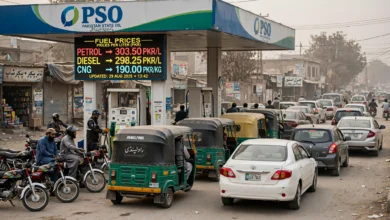
In 2018, Honda Atlas publicly linked a wave of engine problems in its cars to petrol with high manganese content, and the issue led to a government inquiry into fuel quality. Separately, district administrations regularly raid pumps for short-measuring, where the meter shows more litres than actually go into your tank. Adulterated petrol causes knocking, poor mileage and clogged injectors, and the damage is worse when the engine is already running hot.
- Fill up at busy, well-known stations.
- Track your mileage. A sudden drop after filling at a new pump is a warning sign.
- Complaints about fuel quality can go to the Oil and Gas Regulatory Authority (OGRA).
Substandard CNG and LPG Cylinders
Over the years, Pakistan has seen deadly fires and explosions in vans and cars fitted with uninspected or expired gas cylinders, including school and passenger vans. Heat raises the pressure inside a cylinder, so an unsafe fitting is most dangerous in summer. If your car has a gas kit, make sure the cylinder is certified, within its testing date and installed by a licensed workshop.
Part Swapping at Workshops
Some unscrupulous mechanics replace genuine parts in your car with used or fake ones during a service and keep the originals to resell. Ask for your old parts back, mark expensive components if you can, and stick to workshops with a reputation to protect.
Tampered Odometers on Used Cars
Rolled-back meters are common in the used and imported car market. A car showing 40,000 km may have done three times that, which means its cooling system, belts and suspension are far older than you think. Check service records and get an independent inspection before buying.
The common thread is simple: if a part, a service or a car seems unusually cheap, there is usually a reason. Good car maintenance is about trust as much as technique.
Conclusion
Pakistan’s summer is tough on every part of a car, but most heat-related breakdowns are preventable with steady, honest car maintenance: keep the cooling system topped up with real coolant, change engine oil on time from a trusted source, test the battery before it quits, check tyre pressure in the cool morning, service the AC early, and replace filters, belts, hoses and brake fluid before the heat finds their weak spots, while carrying a basic emergency kit on every long trip. Just as important is staying alert to the fake parts, recycled oil, adulterated fuel, unsafe gas cylinders and tampered meters that have cost Pakistani drivers money and, in the worst cases, lives. Follow these car maintenance tips, buy from people you trust, and your car will get you through June and July without leaving you stranded on the hard shoulder.