Hybrid Cars in Pakistan Are They Worth the Extra Cost
Hybrid cars in Pakistan after the 2026 tax changes: real price gaps, fuel savings, payback years, battery risks and import scams buyers should know.
Hybrid Cars in Pakistan 2026: Are They Worth It? 6 Honest Numbers Before You Pay Extra
Introduction
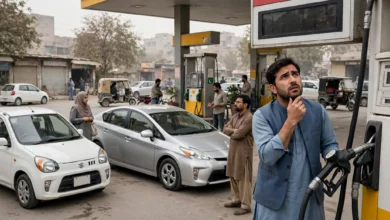
Hybrid cars in Pakistan have had a dramatic year. In July 2026, when earlier tax concessions expired, the sales tax on locally made hybrids jumped from 8.5% to 25%, and the price of a Corolla Cross Hybrid rose by more than Rs 13 lakh almost overnight. Then, on September 13, the government cut the rate to 18%, and in the last week of September Toyota and Honda announced price cuts of up to Rs 10.7 lakh. Many buyers who had been waiting are now asking the same question: is a hybrid actually worth the extra money?
The answer depends less on the technology and more on arithmetic. A hybrid saves fuel, especially in city traffic, and with petrol near Rs 390 per litre those savings are real. But most locally assembled hybrids still cost around Rs 20 lakh more than their petrol versions. How long it takes to earn that back depends on how much you drive, how long you keep the car and what it is worth when you sell.
This guide works through six honest numbers: the price gap, the tax you pay, the fuel you save, the payback period, the battery risk and the resale value. It uses prices announced in September 2026.
It also looks at the grey side of the hybrid market, where import schemes, fake auction sheets and tired batteries have cost buyers dearly. Knowing those risks is part of deciding whether a hybrid is right for you.
How Hybrid Cars in Pakistan Work and Which Types You Can Buy
Not every car with a “hybrid” badge works the same way, and the differences matter for both fuel savings and tax.
The Basic Idea
A hybrid combines a petrol engine with an electric motor and a battery. The battery is charged mainly by regenerative braking, which captures energy that a normal car wastes as heat when slowing down. At low speeds and in stop-start traffic, the electric motor can move the car alone or help the engine, which is why hybrids shine in congested cities like Karachi and Lahore. On a steady motorway run, the petrol engine does most of the work, and the advantage shrinks.
Self-Charging Hybrids (HEV)
These are the most common new hybrids in Pakistan. You never plug them in. Locally assembled examples include:
- Toyota Corolla Cross HEV and HEV X
- Honda HR-V e:HEV
- Hybrid versions of popular crossovers such as the Haval H6 and Kia Sportage
Since September 13, 2026, locally made HEVs up to 2,000cc pay 18% sales tax, the same as ordinary petrol cars.
Mild Hybrids
A mild hybrid uses a small electric system to assist the engine and restart it smoothly, but it cannot drive on electric power alone. Fuel savings are smaller, but so is the price premium. The Suzuki Fronx GLX hybrid is an example. In July 2026 it was listed at about Rs 2 lakh more than the automatic non-hybrid Fronx.

Plug-In Hybrids (PHEV)
Plug-in hybrids have bigger batteries that you charge from a socket, allowing short trips on electricity alone. The draft Auto Policy 2026-31 proposes treating PHEVs as New Energy Vehicles with just 1% sales tax, but that proposal is not yet final.
Used Imported Hybrids
Japanese imports like the Toyota Aqua, Prius and Honda Vezel have been popular for years because they offer hybrid savings at lower prices than new local models. They come with extra risks, including battery age, mileage tampering and questionable paperwork, which are covered later in this guide.
The Money Test: Are Hybrid Cars in Pakistan Worth the Extra Cost?
This is where the real answer lies. The first four honest numbers are the price gap, the tax, the fuel saving and the payback period.
Number 1: The Price Gap
After the September 2026 cuts, here is how popular hybrids compare with their closest non-hybrid versions:
| Model | Non-hybrid price (PKR) | Hybrid price (PKR) | Extra cost |
|---|---|---|---|
| Toyota Corolla Cross | 7,235,000 (1.8 petrol, listed) | 9,299,000 (HEV) | about Rs 20.6 lakh |
| Honda HR-V | 7,299,000 (VTi-S) | 9,299,000 (e:HEV) | about Rs 20 lakh |
| Suzuki Fronx | 6,099,999 (GL automatic) | 6,299,999 (GLX hybrid) | about Rs 2 lakh |
Hybrid prices for Toyota and Honda come from their September 2026 revisions, as reported in Profit’s coverage of hybrid price cuts. Honda said its new prices apply to limited stock for a limited period. Fronx prices are from July 2026 lists, and trims differ in equipment, so the gap is not purely the cost of the hybrid system.
Number 2: The Tax You Pay
Until June 2026, locally made hybrids paid a concessional 8.5% sales tax. From July 1, that rose to 25%, and Toyota raised the Corolla Cross HEV from Rs 8,535,000 to Rs 9,849,000. Since September 13, the rate has been 18%, the same as petrol cars, and the HEV now costs Rs 9,299,000. In short, hybrids no longer get a tax break. The premium you pay is now mostly the cost of the technology itself.
Number 3: The Fuel You Save
Owner-reported averages for a petrol crossover like the Corolla Cross are roughly 12 to 14 km/l, while the hybrid version commonly achieves 15 to 19 km/l. In heavy city traffic, the gap can be much wider, because petrol cars suffer most when crawling and idling.
Using petrol at Rs 390 per litre, and assuming 13 km/l for the petrol car and 17 km/l for the hybrid, the hybrid saves about Rs 7 per kilometre.
Number 4: The Payback Period
Here is how long it takes fuel savings alone to cover a Rs 20 lakh premium:
| Monthly driving | Approx. monthly fuel saving | Years to recover Rs 20 lakh |
|---|---|---|
| 1,000 km (light use) | Rs 7,000 | about 23 years |
| 1,500 km (typical commute) | Rs 10,600 | about 16 years |
| 3,000 km (heavy use) | Rs 21,200 | about 8 years |
| 1,500 km in heavy city traffic (10 vs 18 km/l) | Rs 26,000 | about 6 years |
For most families, fuel savings alone do not pay back the premium of a large local hybrid within a normal ownership period. The picture changes for very high mileage drivers, those stuck in heavy city traffic every day, and cheaper mild hybrids like the Fronx, where even a modest fuel saving can cover a Rs 2 lakh premium within several years.
These are illustrative estimates. Your own figures depend on your route, driving style, AC use and future petrol prices.
Battery, Maintenance and Resale: The Hidden Side of Hybrid Cars in Pakistan
Fuel savings are only half the story. The last two honest numbers, battery risk and resale value, can swing the decision either way.
Number 5: Battery Risk
The hybrid battery is the most expensive single component in the car. Modern hybrid batteries from established manufacturers are designed to last many years, and many older Aquas and Priuses are still running on original packs. Still, several factors matter in Pakistan:
- Heat: summer temperatures above 45 degrees Celsius put extra stress on batteries, especially if cooling vents inside the cabin are blocked or dusty.
- Age and use: a hybrid that has spent years in ride-hailing or heavy commercial use may have a tired battery even if it looks clean.
- Replacement cost: a new battery can run into several lakh rupees, which can wipe out years of fuel savings on an older car.
- Warranty: for new cars, ask for the hybrid battery warranty in writing, including years, kilometres and whether it transfers to the next owner.
For used hybrids, a battery health check by a hybrid specialist is not optional. It is the single most important inspection.
Maintenance Realities
Hybrids are not harder to maintain in daily life. Because regenerative braking does much of the slowing, brake pads often last longer, and the engine works less in traffic. However, repairs to the hybrid system itself need trained technicians and proper equipment, which are mostly found at authorized dealers and specialist workshops in major cities. If you live far from one, factor in the travel and downtime.
Number 6: Resale Value
Resale can recover a large part of the hybrid premium. In big cities, demand for well-kept hybrids like the Corolla Cross HEV has been strong, and a hybrid often sells for noticeably more than the petrol version of the same age. If you sell after five years and the hybrid still commands a large premium, the real cost of choosing it is much lower than the showroom gap suggests.
The risk is policy uncertainty. When hybrid taxes jumped to 25% and then fell to 18% within three months, buyers delayed purchases and prices swung by more than Rs 10 lakh on some models. Any future change, including the unfinished Auto Policy 2026-31, can affect both new prices and used values. Buyers of hybrid cars in Pakistan should expect some volatility.
Illegal Practices in the Market for Hybrid Cars in Pakistan
Wherever tax breaks and high demand meet, rule-breakers follow. The hybrid market in Pakistan has seen its share of abuse, especially in used imports. These documented patterns show what to watch for.
Import Schemes Turned Into a Business
For years, overseas Pakistanis could import used vehicles under the personal baggage, gift and transfer of residence schemes. According to the FBR’s guidance on vehicle imports, hybrids received an extra concession under these schemes, with a 50% exemption on duties and taxes for hybrids up to 1,800cc. That made imported hybrids like the Aqua and Prius especially attractive to commercial dealers, who used expatriates’ passports to bring in cars for resale rather than personal use.
In 2024, the Prime Minister directed the FBR to stop this misuse. After IMF pressure, the government abolished the personal baggage route in January 2026, as PakWheels reported when the plan to end the scheme emerged. The remaining gift and transfer of residence schemes now carry a one-year ban on resale.
What it means for buyers: be cautious of anyone selling a scheme-imported hybrid soon after arrival. Check that the import documents match the vehicle and that the sale is legally allowed.
Fake Auction Sheets
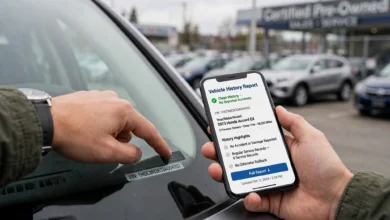
Every Japanese import has an auction sheet recording its grade, mileage and any damage at auction. Forged auction sheets are common in Pakistan, with dealers printing local copies that show a better grade or lower mileage. For a hybrid, a fake sheet can hide flood damage or heavy use that has already worn the battery.
Always verify the auction sheet with the car’s chassis number through a service that retrieves the original Japanese record. Cars sold through Pakistan Customs auctions, often seized from smugglers, have no genuine Japanese auction sheet at all.
Rolled-Back Odometers and Tired Batteries
Hybrids are popular with ride-hailing drivers and taxi operators because of their fuel savings, so many used examples have covered very high mileage. Odometer rollback hides that history and raises the asking price. Some sellers also fit cheap reconditioned battery modules and present the car as healthy. The result can be poor fuel economy and an expensive battery failure soon after purchase.
Premiums on Popular New Models
When a new hybrid is in short supply, investors and some dealers have historically charged cash “own money” premiums for faster delivery. Research by the Pakistan Institute of Development Economics estimated PKR 150 to 170 billion was paid this way on cars over five years. Book only with authorized dealers, pay through banking channels and refuse any cash premium.
Stolen Cars With New Identities
Popular models of every kind, hybrids included, have been stolen and given the engine and chassis numbers of genuine cars before being resold through showrooms, as a Dawn investigation into organized car theft described. Verify every used hybrid with your provincial Excise records, run a theft check and inspect the numbers physically.
Who Should Buy Hybrid Cars in Pakistan, and Who Should Not
Putting the six numbers together gives a clear picture. A hybrid is a smart buy for some drivers and an expensive luxury for others.
A Hybrid Makes Sense If You
- Drive a lot, especially 2,500 km a month or more
- Spend most of your time in heavy city traffic, where hybrids save the most
- Plan to keep the car for many years
- Live in a big city near authorized dealers and hybrid specialists
- Value a quieter, smoother drive and lower emissions, not just savings
- Are considering a mild hybrid with a small premium, like the Fronx
A Petrol Car Makes More Sense If You
- Drive under 1,500 km a month, mostly on open roads
- Usually change cars every three or four years
- Would need a loan to cover the Rs 20 lakh premium, since interest can wipe out fuel savings
- Live far from service centres that can handle hybrid systems
Consider Waiting If You
- Want a plug-in hybrid, since the final Auto Policy 2026-31 may cut its tax to 1%
- Are unsure whether the 18% hybrid rate will hold, as industry representatives themselves have said the new policy could change it
Buying Checklist for Any Hybrid
- Confirm the current price with an authorized dealer, including the exact tax rate and any limited-period offer.
- Get the hybrid battery warranty in writing, with years, kilometres and transfer terms.
- Book only with authorized dealers and never pay a cash premium.
- For used imports, verify the auction sheet against the original Japanese record using the chassis number.
- Get a battery health check from a hybrid specialist before buying any used hybrid.
- Compare the odometer with service records, auction data and wear on the interior.
- Verify registration and ownership with your provincial Excise department and run a theft check.
- Complete a biometric transfer before handing over the final payment.
Conclusion: The Honest Verdict on Hybrid Cars in Pakistan
Hybrid cars in Pakistan are worth the extra cost for some buyers but not for most: after the sales tax on locally made hybrids went from 8.5% to 25% and then settled at 18% in September 2026, models like the Corolla Cross HEV and Honda HR-V e:HEV still cost around Rs 20 lakh more than their petrol versions, and at typical family mileage the fuel savings of roughly Rs 7 per kilometre take well over a decade to recover that premium, while heavy city drivers, very high mileage users and buyers of cheaper mild hybrids like the Fronx can break even within six to eight years or less. Strong resale can soften the cost, but battery health, specialist servicing and frequent policy changes add risk, and the used import market has a documented history of misused baggage and gift schemes, fake auction sheets, rolled-back odometers and tired batteries. The smart approach is to run the numbers for your own driving, buy from authorized dealers without paying premiums, insist on written battery warranties, and verify every used hybrid’s auction sheet, battery health, registration and theft status before paying.
Keywords: