Electric Bikes in Pakistan: A Cheaper Alternative to Petrol?
Electric bikes in Pakistan are reshaping daily commuting, offering real savings over petrol motorcycles as fuel prices keep climbing.
Electric bikes in Pakistan have moved from a niche curiosity to a genuine talking point at tea stalls, offices, and dinner tables. With petrol prices swinging unpredictably and the rupee under constant pressure, more Pakistani riders are asking a simple question: can an electric bike actually save money compared to a traditional petrol motorcycle? The short answer is yes, but the full picture is more interesting than a single number.
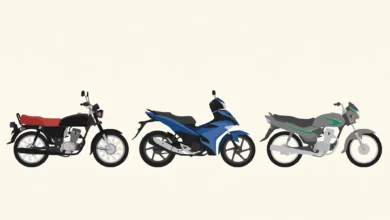
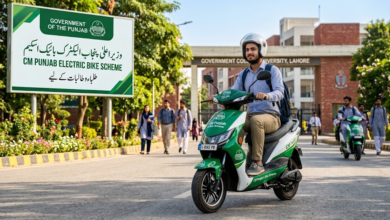
Motorcycles are the backbone of transportation in Pakistan. Millions of families rely on a 70cc or 125cc bike to get to work, school, and the market. So when fuel prices jump, the pain is felt everywhere, from delivery riders in Karachi to students commuting in Lahore and Faisalabad. This is exactly the gap electric bikes in Pakistan are trying to fill. Local assemblers and a growing number of Chinese-backed brands have started offering electric two-wheelers priced close to petrol variants, with the promise of far lower running costs.
In this article, we’ll break down the real cost of owning an electric bike versus a petrol bike, look at the brands currently available in the local market, examine government policy support, and help you decide whether switching makes sense for your daily routine. We’ll also cover charging infrastructure, maintenance realities, and practical buying tips so you’re not just going by marketing claims.
What Are Electric Bikes and Why Are They Gaining Traction in Pakistan?
An electric bike (often shortened to e-bike or EV bike) runs on a rechargeable battery pack and an electric motor instead of a petrol engine. Instead of visiting a fuel station, you plug the bike into a standard wall socket, or in some newer models, swap out a portable battery pack entirely.
A few factors are driving the growing interest in electric bikes in Pakistan:
- Fuel price volatility – Petrol prices in Pakistan are reviewed every two weeks and have shown large swings over the past few years, making budgeting difficult for daily commuters.
- Rising import costs – Since petrol and its components are imported, currency depreciation directly affects pump prices.
- Urban pollution concerns – Cities like Lahore regularly rank among the most polluted in the world, and transportation is a major contributor.
- Falling battery costs – Lithium-ion battery prices have dropped globally over the past decade, making electric two-wheelers more affordable to manufacture.
- Local assembly push – Several Pakistani companies have started assembling or locally manufacturing electric bikes, which helps reduce the final price tag for buyers.
None of this means petrol bikes are disappearing anytime soon. Pakistan’s motorcycle market is enormous, dominated by long-established brands with decades of trust and widespread service networks. But electric bikes are carving out a real space, especially for shorter urban commutes.
The Real Cost Comparison: Electric Bikes vs Petrol Bikes in Pakistan
This is the question everyone actually wants answered. Let’s break it down into the four areas that matter most: purchase price, running cost, maintenance, and resale value.
Purchase Price
Historically, electric bike price in Pakistan has sat a little higher than a comparable 70cc petrol bike, mainly because of battery costs and import duties on components. That gap has been narrowing as local assembly increases and more brands enter the market. Depending on battery capacity, motor power, and brand, buyers can expect a range of options, from budget-friendly city runabouts to higher-spec models aimed at riders who want longer range and stronger build quality.
A useful way to think about it: if the upfront price of an electric bike is close to a petrol bike, then almost everything after the purchase tends to favor the electric option.
Fuel and Charging Cost
This is where electric bikes in Pakistan really start to shine. A petrol bike averages somewhere around 40 to 50 kilometers per liter, and at current pump prices, that adds up quickly for someone commuting daily.
An electric bike, by comparison, is charged using electricity from the grid. Even accounting for Pakistan’s rising electricity tariffs, charging a bike’s battery typically costs a fraction of what the equivalent petrol would cost for the same distance. Riders who charge overnight, particularly those on lower domestic electricity slabs, tend to see the biggest savings.
A simple rule of thumb many owners report: the cost per kilometer on electricity is often 60 to 80 percent lower than the cost per kilometer on petrol, though this varies with your specific electricity tariff bracket and the bike’s battery efficiency.
Maintenance Cost
Petrol engines have many moving parts, oil that needs regular changing, filters, spark plugs, and a chain drive system that wears down over time. Electric bikes have far fewer moving parts. There’s no engine oil, no spark plugs, and no exhaust system to maintain. The main components to watch are the battery, motor, and controller, plus the usual tires, brakes, and suspension shared with any bike.
Typical maintenance differences include:
- No oil changes – Electric motors don’t need engine oil, saving a recurring cost.
- Fewer serviceable parts – Less wear and tear translates to fewer trips to the mechanic.
- Brake wear – Some electric bikes use regenerative braking, which can actually reduce brake pad wear over time.
- Battery care – The one added cost area is battery health monitoring and eventual battery replacement after several years of use.
Resale Value
This is the area where petrol bikes still hold an edge in Pakistan. The market for used petrol motorcycles is mature, with well-known brands, trusted mechanics in every neighborhood, and decades of resale history. Electric bikes are newer to the market, so resale values are less predictable, and buyers should factor in that the used EV market is still developing.
Popular Electric Bike Brands and Models Available in Pakistan
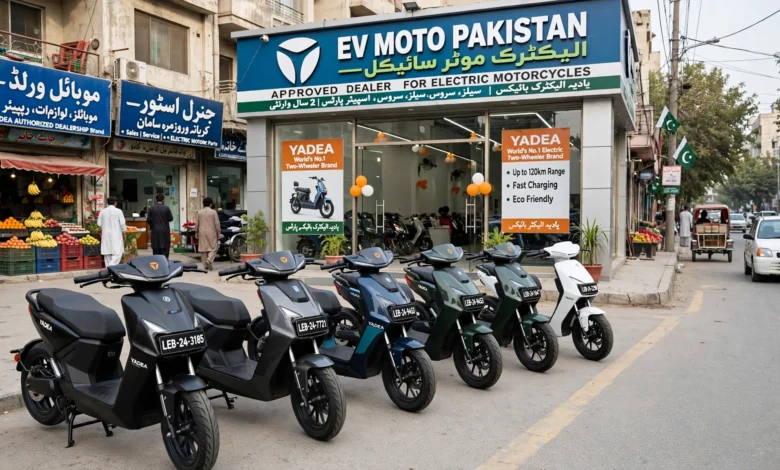
The electric bike Pakistan market has grown noticeably over the past few years. While the lineup keeps expanding, a few categories are worth knowing about:
- Locally assembled electric motorcycles – Several Pakistani companies now assemble electric two-wheelers domestically, often in partnership with Chinese manufacturers, which helps keep prices competitive.
- Imported Chinese electric scooters and bikes – A range of ready-made electric scooters is imported directly, typically aimed at urban riders who want a lightweight, easy-to-handle option.
- Battery-swap models – A newer trend involves bikes designed around swappable battery packs, letting riders exchange a depleted battery for a charged one at designated stations instead of waiting for a full charge.
When comparing models, pay close attention to:
- Battery capacity (measured in Ah or kWh) and the real-world range it delivers
- Motor power (measured in watts), which affects top speed and hill-climbing ability
- Charging time, both for a full charge and a quick top-up
- Build quality and available after-sales service network
Because this segment is evolving quickly, it’s worth checking current listings and dealer showrooms directly rather than relying only on older reviews, since new models are being introduced regularly.
Government Policies and Incentives for Electric Bikes in Pakistan
Pakistan’s government has introduced policy frameworks aimed at encouraging electric vehicle adoption, including two-wheelers, as part of a broader effort to reduce the fuel import bill and address urban air quality. Measures under discussion and implementation over recent years have included reduced duties on EV components, incentives for local manufacturing, and targets for EV market share in new vehicle sales.
For readers who want the official framework and updated policy details, the Alternative Energy Development Board of Pakistan publishes information on national renewable energy and EV-related initiatives. Policy details change over time, so checking the latest updates directly is the most reliable approach before making a purchase decision based on expected subsidies.
Globally, the shift toward electric two-wheelers and vehicles is well documented. The International Energy Agency’s Global EV Outlook provides useful context on how battery costs, charging infrastructure, and government incentives are shaping EV adoption trends worldwide, trends that are gradually reaching markets like Pakistan.
Charging Infrastructure: Is Pakistan Ready?
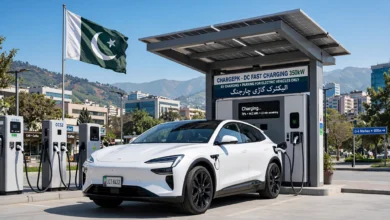
This is a fair concern, and honestly, it’s still a work in progress. Public charging stations for electric bikes in Pakistan are not yet widespread compared to petrol stations, which exist on nearly every major road. That said, the situation is more manageable for two-wheelers than for cars, for a few reasons:
- Home charging is practical – Most electric bikes can be charged from a standard household socket overnight, so riders don’t necessarily need public charging infrastructure for daily use.
- Lower power requirements – Electric bikes need far less power to charge than electric cars, so even a modest home electricity connection is usually sufficient.
- Battery swap stations – Some brands are building networks of swap stations in major cities, which sidesteps the need for long charging waits entirely.
- Urban commute distances – Many daily commutes in Pakistani cities fall well within the range of a single charge, reducing range anxiety for typical use cases.
Longer trips outside major cities remain a genuine limitation for now, since dedicated EV charging networks along highways are still limited. For a rider whose daily use is mostly within-city, this is less of a concern than it might initially appear.
Pros and Cons of Switching to Electric Bikes
A balanced look matters more than a sales pitch. Here’s an honest breakdown.
Advantages of electric bikes in Pakistan:
- Significantly lower running cost per kilometer compared to petrol
- Reduced maintenance needs and fewer recurring service costs
- Quieter operation, which many riders find more comfortable in traffic
- Zero tailpipe emissions, contributing to better local air quality
- Growing local manufacturing support, which may improve long-term parts availability
Drawbacks to keep in mind:
- Charging infrastructure outside major cities is still limited
- Resale market is less established than for petrol bikes
- Battery replacement after several years is an added future cost
- Upfront price can still be higher for higher-spec models
- Range may be a concern for riders with long daily commutes
Who Should Consider an Electric Bike in Pakistan?
Not every rider has the same needs, so the right choice depends on your situation. Electric bikes tend to make the most sense for:
- Urban commuters with a daily round trip well within the bike’s battery range
- Food and parcel delivery riders who can charge overnight and benefit from lower per-kilometer costs across high daily mileage
- Students and young professionals looking for lower running costs on a fixed budget
- Environmentally conscious buyers who want to reduce their personal carbon footprint
- Second-bike households where the electric bike handles short local trips while another vehicle covers longer journeys
Riders who frequently travel long distances between cities, or who live in areas without reliable home electricity access, may find a petrol bike more practical for now.
Tips for Choosing the Right Electric Bike
If you’ve decided an electric bike fits your lifestyle, a few practical checks can save you from a disappointing purchase:
- Match battery range to your actual commute, not just the manufacturer’s claimed maximum range, since real-world range is usually lower than lab figures.
- Check the availability of spare parts and service centers near your home before buying, especially for less established brands.
- Ask about battery warranty length, since the battery is the most expensive component to replace.
- Test ride before buying to check comfort, weight distribution, and how the bike handles at various speeds.
- Compare total cost of ownership over three to five years, not just the sticker price, factoring in fuel or electricity savings and expected maintenance.
Conclusion
Electric bikes in Pakistan are no longer a distant experiment. They offer a genuinely cheaper way to get around for many riders, mainly through lower running costs and reduced maintenance, even though purchase prices, charging infrastructure, and resale markets still have room to mature.
For urban commuters and delivery riders with predictable daily distances, switching from a petrol bike to an electric one can lead to real, measurable savings over time. For those with longer commutes or limited access to home charging, a petrol bike may still be the more practical choice for now. As battery prices continue to fall and local manufacturing expands, the gap between petrol and electric two-wheelers in Pakistan is only likely to shrink further.