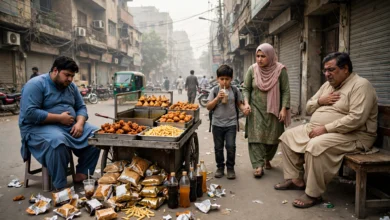
How Water Quality Issues in Pakistan Affect Public Health
Water quality in Pakistan is a silent health crisis. How contamination spreads typhoid, hepatitis and arsenic harm, and how families can stay safe.
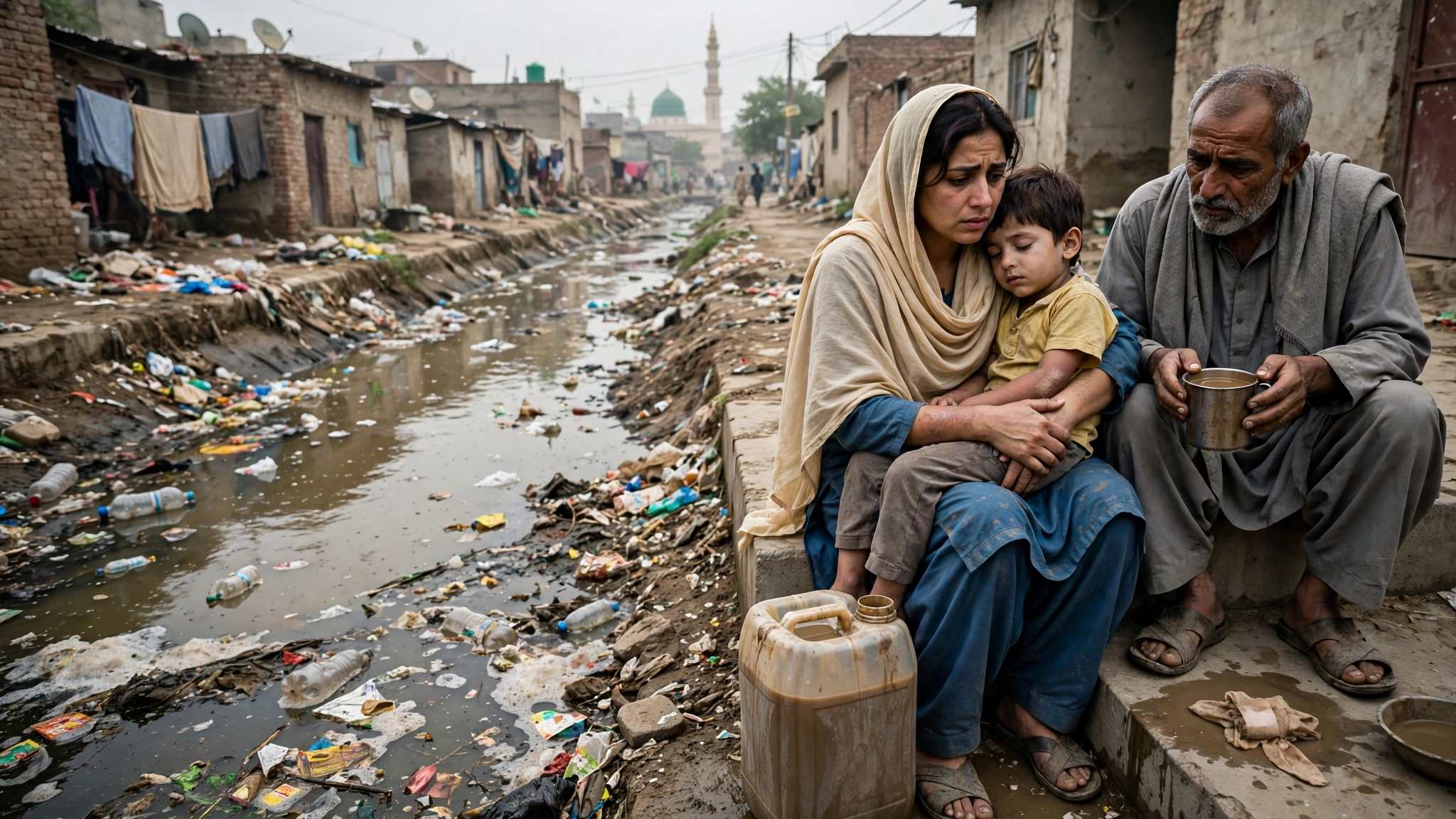
Water Quality in Pakistan: 7 Alarming Ways Unsafe Water Harms Public Health and How to Protect Your Family
Introduction
Water quality is one of the biggest public health problems in Pakistan, yet it rarely makes headlines until an outbreak fills hospital wards. Every day, millions of families with no way to check water quality drink water from taps, hand pumps, tankers and even branded bottles that may be carrying bacteria, sewage or toxic chemicals. Most of them have no idea, because poor water quality is often invisible and contaminated water looks, smells and tastes perfectly normal.
The official numbers are stark. Testing by the Pakistan Council of Research in Water Resources (PCRWR) has repeatedly found that most drinking water sources in the country are unsafe, mainly because of bacterial contamination. Large parts of the Indus plain sit on groundwater laced with arsenic. Even bottled water, which many people buy precisely to avoid poor water quality, regularly fails official tests.
This article explains how poor water quality in Pakistan affects public health, from diarrhoea and typhoid to hepatitis, arsenic poisoning and stunted growth in children. It also looks at the realities behind the crisis, including illegal hydrants, the tanker mafia, contaminated bottled water brands and broken sewage lines that leak into supply pipes. Finally, it offers practical steps families can take today to protect themselves. Good water quality is not a luxury. It is the foundation of good health, and understanding the problem is the first step toward fixing it.
The State of Water Quality in Pakistan
To understand the health impact of water quality, it helps to look at what testing has actually found.
Most Drinking Water Sources Fail Basic Tests
A PCRWR analysis of 2,205 drinking water sources across Pakistan found that only 32% were safe. The remaining 68% were unfit for human consumption, and microbiological contamination alone made 59% of sources unsafe. The problem was worst in Sindh, where 89% of sources showed microbiological contamination, followed by Azad Jammu and Kashmir, Gilgit-Baltistan, Punjab and Balochistan.
Earlier PCRWR monitoring of 29 major cities found that around 62% of drinking water was unsafe, with bacterial contamination the most common problem. In Karachi, testing has found that most drinking water samples contained bacteria, a sizeable share of it of faecal origin. Poor water quality is not limited to villages. It affects major cities just as seriously.
Groundwater and Arsenic
Water quality underground matters too, because many Pakistanis depend on hand pumps, motor pumps and tube wells. A landmark study published in Science Advances mapped arsenic across the country and estimated that 50 to 60 million people in the Indus plain could be exposed to arsenic above the World Health Organization’s guideline of 10 micrograms per litre. Areas around Lahore and Hyderabad were among those at high risk. You can read a summary of this research in the AAAS report on arsenic in Pakistan’s groundwater.
Even Bottled Water Is Not Always Safe
Every quarter, PCRWR tests the water quality of bottled and mineral water brands sold in major cities. Between April and June 2026, it tested 230 brands from 20 cities and found 29 unsafe because of bacterial or chemical contamination. Earlier rounds have flagged brands for high sodium, arsenic or bacteria. You can check the latest reports on the PCRWR website before choosing a brand.
Why Water Quality Is So Poor in Pakistan
Several problems combine to damage water quality in Pakistan, and each one has a direct link to public health:


- Sewage mixing with drinking water: old, leaking supply pipes often run next to sewage lines. When water pressure drops, contaminated water is sucked into the drinking supply and water quality collapses.
- Untreated sewage and industrial waste: most sewage and factory effluent is released into rivers, canals and the sea without treatment.
- Overuse of groundwater: uncontrolled pumping lowers water tables and can draw up water with higher arsenic and salt levels.
- Poorly maintained filtration plants: many community filtration plants are not cleaned or tested regularly, so they can supply water whose quality is no better than the source.
- Weak enforcement: illegal connections, unregistered water businesses and substandard bottling plants often operate with little oversight.
7 Alarming Ways Poor Water Quality Harms Public Health
Poor water quality affects almost every part of public health in Pakistan. These are the most serious impacts.
1. Diarrhoea and Cholera
Diarrhoeal diseases are the most direct result of poor water quality. Bacteria, viruses and parasites from sewage cause diarrhoea, vomiting and dehydration. For young children and the elderly, severe dehydration can be fatal within hours. Cholera outbreaks still occur in parts of Pakistan, especially after floods and during the monsoon, when sewage overflows into drinking water sources. The World Health Organization’s drinking water fact sheet notes that contaminated drinking water is a major cause of diarrhoeal deaths worldwide.
2. Typhoid and Drug-Resistant Typhoid
Typhoid spreads through water and food contaminated with sewage, which makes it a classic water quality disease. Pakistan has faced a serious outbreak of extensively drug-resistant (XDR) typhoid since 2016, which began in Hyderabad and spread across Sindh. By August 2019, more than 10,000 cases had been reported, mostly in children. WHO has said the risk is high in Pakistan because of poor access to clean water and weak sanitation. When water quality is poor, typhoid keeps returning, and each wave of misused antibiotics makes the bacteria harder to treat.
3. Hepatitis A and E
Hepatitis A and E are viral liver infections spread mainly through poor water quality and contaminated food. They cause fever, jaundice, nausea and extreme tiredness. Hepatitis E can be especially dangerous for pregnant women. Outbreaks are common in areas with poor water quality and sanitation and in cities when sewage seeps into water lines.
4. Arsenic Poisoning and Cancer Risk
Arsenic is colourless, odourless and tasteless, so in areas where groundwater has poor water quality, people can drink it for years without knowing. Long-term exposure can cause skin lesions, thickened skin on the palms and soles, and increases the risk of cancers of the skin, lungs, bladder and kidneys. It is also linked to heart disease and diabetes. Because arsenic builds up slowly, the health damage from poor groundwater water quality may only appear after many years.
5. Excess Salts, Nitrates and Fluoride
Some water sources and bottled brands have poor chemical water quality, with high levels of sodium, nitrates or fluoride. High sodium is a concern for people with high blood pressure and kidney disease. High nitrate levels, often from fertiliser runoff and sewage, are particularly dangerous for infants. Excess fluoride can damage teeth and bones over time.
6. Malnutrition and Stunted Growth in Children
Repeated bouts of diarrhoea and gut infections caused by poor water quality stop children from absorbing nutrients properly, even when they eat enough food. Over time, this contributes to stunting, where children are too short for their age and may also suffer from weaker immunity and slower learning. Pakistan already has a serious child stunting problem, and unsafe water quality combined with poor sanitation is a major contributor.
7. Economic and Social Costs
Waterborne illness caused by poor water quality means days lost from work and school, hospital bills, money spent on medicines and the constant cost of buying tanker or bottled water. Poor families, who are least able to afford safe water, end up paying the most, both in money and in health. Women and girls often carry the burden of fetching water and caring for sick family members.
The Reality Check: Illegal Activities Behind the Water Crisis
Poor water quality in Pakistan is not only about old pipes and natural arsenic. Illegal activities and weak enforcement make the problem much worse.
Karachi’s Illegal Hydrants and the Tanker Mafia
In Karachi, water quality and water access are both undermined by illegal hydrants that tap into main water lines and sell stolen water through tankers. In September 2025, Karachi’s mayor told the Sindh chief minister that 243 illegal hydrants had been demolished, 212 FIRs registered and 103 people involved in the illegal tanker business arrested. Earlier, a joint operation by the Rangers and the Karachi Water and Sewerage Corporation dismantled about 150 illegal hydrants and disconnected 1,200 illegal connections. Experts estimate that up to 30% of the city’s water is stolen through illegal hydrants.
The health impact is direct. Stolen water means lower pressure in legal pipes, which allows sewage to seep in and damages water quality, and leaves poorer neighbourhoods dependent on tanker water of unknown quality. Families are forced to pay inflated prices for water whose source and storage are unchecked.
Unsafe Bottled Water Brands
Many bottled water brands sold in Pakistan have repeatedly failed water quality tests. PCRWR’s quarterly monitoring regularly finds brands contaminated with bacteria or containing unsafe levels of sodium or arsenic. The Punjab Food Authority has also sealed bottled water plants after tests showed contamination with chemicals and bacteria. Selling contaminated water as “pure” or “mineral” water is both illegal and deeply dishonest, since buyers are often paying a premium precisely because they fear tap water.
Contaminated Ice and Unhygienic Water Businesses
In summer, ice factories become another water quality risk. The Punjab Food Authority has sealed ice factories for using contaminated or unfiltered water. Street drinks made with such ice can spread the same waterborne diseases as dirty tap water.
Industrial Pollution and Untreated Waste
Factories that harm water quality by discharging untreated chemical waste into drains, canals and rivers break environmental laws and contaminate water that downstream communities rely on for drinking and farming. Weak monitoring means many such violations go unpunished for years.
What These Cases Teach Us
- Safe water quality depends as much on honest governance as on technology.
- Paying for water, whether by tanker or bottle, does not guarantee it is safe.
- Reporting water theft, contaminated brands and illegal discharges to authorities helps protect everyone.
How to Protect Your Family From Unsafe Water
While long-term water quality solutions require government action, families can take practical steps right now to reduce risk.
Treat Water at Home
- Boil water for at least one minute at a rolling boil. This kills bacteria, viruses and parasites.
- Use a good filter, ideally one certified to remove bacteria. In arsenic-risk areas, look for filters specifically designed to remove arsenic, such as reverse osmosis systems, and maintain them properly.
- Use chlorine tablets or drops in emergencies, following the instructions carefully.
- Store treated water in clean, covered containers and use a ladle or tap so hands do not touch the water.
Remember that boiling kills germs but does not remove arsenic, nitrates or excess salts. If you rely on groundwater in a high-risk area, get your water quality tested.
Get Your Water Tested
PCRWR and some provincial departments offer water testing services. Testing your home’s tap, well or tank water once or twice a year gives you a clear picture of your water quality and helps you choose the right treatment.
Choose Bottled Water Carefully
- Check PCRWR’s latest quarterly water quality list before choosing a brand.
- Avoid unknown or unbranded bottles, especially in small towns and at roadside stalls.
- Look for a PSQCA registration mark and clear manufacturer details.
- Do not reuse thin plastic bottles repeatedly.
Keep Tanks and Pipes Clean
- Clean overhead and underground water tanks every few months.
- Keep tank lids tightly closed to stop insects, birds and dust.
- Fix leaking pipes quickly, especially near sewage lines.
Practise Good Hygiene
- Wash hands with soap before eating and after using the toilet.
- Wash fruits and vegetables with safe water.
- Avoid street drinks and ice of unknown water quality during summer and monsoon.
Protect the Most Vulnerable
Infants, pregnant women, the elderly and people with weak immunity need the best water quality. Use only boiled or properly filtered water for preparing baby formula. Watch for signs of dehydration during diarrhoea and use ORS early.
What Needs to Change at the National Level
Families cannot fix Pakistan’s water quality crisis alone. Lasting improvement in water quality requires:
- Replacing old pipelines and separating water lines from sewage lines.
- Treating sewage and industrial waste before it enters rivers and canals.
- Regular, public testing of municipal supplies, filtration plants and tanker water.
- Strict action against illegal hydrants, water theft and unsafe bottling plants, including the officials who protect them.
- Groundwater regulation to stop over-pumping and map arsenic-risk areas.
- Public awareness campaigns so people understand that clear water is not always clean water.
Frequently Asked Questions About Water Quality in Pakistan
Is tap water safe to drink in Pakistan?
In most areas, tap water quality is not reliable enough to drink without treatment. PCRWR testing has found widespread bacterial contamination, so boiling or proper filtration is strongly advised.
Does boiling water remove arsenic?
No. Boiling kills germs but does not remove arsenic and can slightly concentrate it as water evaporates. Arsenic requires specialised filters such as reverse osmosis or certified arsenic-removal systems.
How can I know if my bottled water brand is safe?
Check PCRWR’s latest quarterly bottled water quality report, which lists brands found unsafe. Choose well-known brands with PSQCA registration and avoid unbranded bottles.
What are the common signs of a waterborne disease?
Diseases linked to poor water quality usually cause diarrhoea, vomiting, stomach cramps, fever and, in hepatitis, yellowing of the eyes and skin. Seek medical care quickly for children, the elderly or anyone showing signs of dehydration.
Conclusion
Poor water quality in Pakistan is a silent but massive public health crisis: official testing shows that most drinking water sources are contaminated, millions may be exposed to arsenic in groundwater, and even bottled water brands regularly fail safety tests, all of which fuel diarrhoea, cholera, typhoid including drug-resistant strains, hepatitis A and E, long-term chemical poisoning and childhood stunting; illegal hydrants, the tanker mafia, contaminated bottling plants, unhygienic ice factories and untreated industrial waste make the situation worse, so while families can protect themselves by boiling or filtering water, testing their supply, choosing bottled brands carefully and keeping tanks clean, lasting change will only come when authorities fix pipelines, treat sewage, enforce the law against water theft and pollution, and treat clean water as the basic public health right it is.