Top Tips to Avoid Heatstroke During Pakistani Summers
Heatstroke kills hundreds in Pakistani summers. Warning signs, first aid steps and 12 practical tips to protect your family, workers and the elderly.
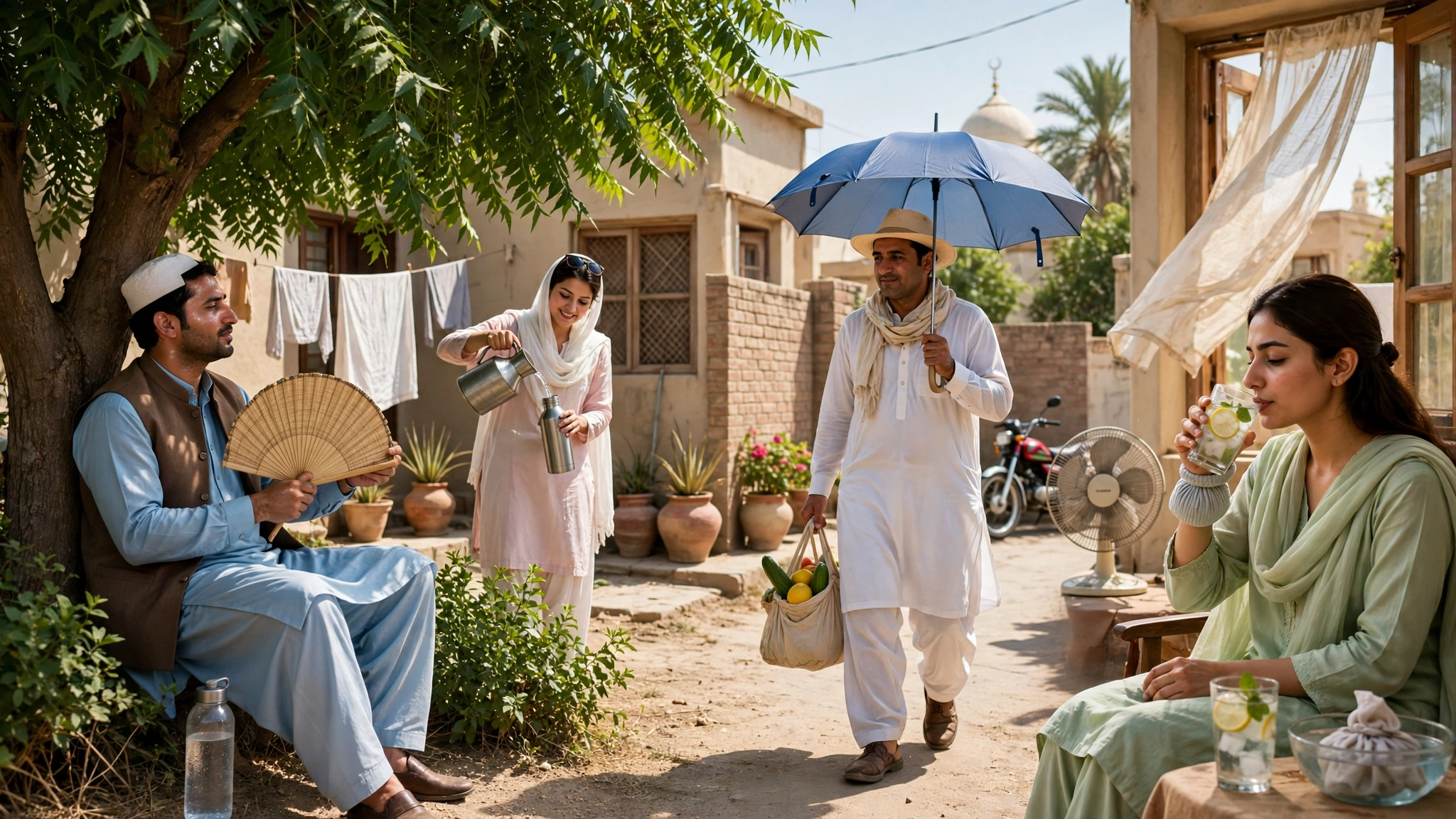
Heatstroke in Pakistan: 12 Proven Tips to Stay Safe This Summer and the Dangerous Mistakes to Avoid
Introduction
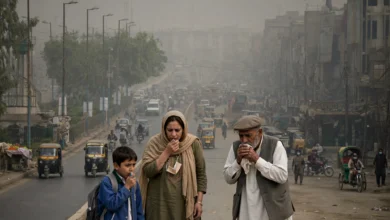
Heatstroke is the most dangerous heat illness there is, and in Pakistan it is no longer a rare event. Cities like Jacobabad, Bhakkar and Dadu now cross 49°C during heatwaves, while Karachi’s humidity makes even 40°C feel unbearable. When the body can no longer cool itself, core temperature climbs past 40°C, the brain and organs start to fail, and death can follow within hours if nobody acts.
Pakistan has paid a heavy price for underestimating heat and heatstroke. The 2015 Karachi heatwave killed well over a thousand people, and in June 2024 the Edhi Foundation reported receiving hundreds of bodies in a matter of days as another heatwave struck the city during long power cuts. Many of the victims were labourers, homeless people, the elderly and those living in crowded neighbourhoods without reliable electricity.
The good news is that heatstroke is largely preventable, even in extreme heat. Simple habits, such as drinking enough fluids, avoiding the midday sun, wearing the right clothes and recognising early warning signs, can save lives. This guide explains how heatstroke develops, which symptoms need urgent action, and 12 practical tips that work for Pakistani homes and workplaces. It also looks honestly at the illegal practices that make heatwaves deadlier, from fake soft drinks and contaminated ice to electricity theft and unsafe working conditions. Knowing the facts could protect your family this summer.
What Is Heatstroke and Why Is It So Dangerous?
Heatstroke happens when the body’s cooling system breaks down. Normally, sweating and blood flow to the skin keep your core temperature around 37°C. In extreme heat, especially with high humidity, sweat cannot evaporate quickly enough, and the body keeps heating up.
Heat Exhaustion vs Heatstroke
Heat illness usually develops in stages before it becomes heatstroke. Knowing the difference can save a life.
- Heat cramps: painful muscle spasms, usually during physical work or exercise in the heat.
- Heat exhaustion: heavy sweating, weakness, dizziness, headache, nausea, a fast weak pulse and cool, clammy skin. The person is usually still alert. This is a warning that heatstroke may be close.
- Heatstroke: body temperature of 40°C or higher, confusion, slurred speech, agitation, seizures or unconsciousness. Skin may be hot and dry, though it can still be sweaty in people who were exercising. This is a medical emergency.
Why Heatstroke Can Kill
At very high temperatures, proteins in the body begin to break down, the brain swells, and the kidneys, liver and heart can fail. The longer heatstroke goes untreated, the higher the risk of death or permanent brain damage. Rapid cooling within the first 30 minutes makes a huge difference.
Who Is Most at Risk of Heatstroke in Pakistan?
Anyone can develop heatstroke, but some groups are far more vulnerable:
- Outdoor workers: construction labourers, brick kiln workers, farmers, traffic police, riders and street vendors.
- The elderly: they feel thirst less and often take medicines that affect hydration.
- Infants and young children: they heat up faster and depend on adults for fluids.
- People with chronic illness: heart disease, diabetes, kidney problems, high blood pressure and obesity.
- People taking certain medicines: such as diuretics, some blood pressure drugs and some psychiatric medicines.
- Homeless people and those with addiction: they often have no shade, water or medical care.
- Residents of crowded, poorly ventilated homes, especially during long loadshedding.
Warning Signs of Heatstroke You Should Never Ignore
Watch for these signs in yourself and others, especially during a heatwave:
- Body temperature of 40°C or higher
- Confusion, strange behaviour or slurred speech
- Severe headache and dizziness
- Hot, red skin, which may be dry
- Rapid, strong pulse or fast breathing
- Nausea and vomiting
- Fainting, seizures or loss of consciousness
If you see these signs, treat it as heatstroke and act immediately. Do not wait to see if it gets better.

First Aid for Heatstroke: What to Do Immediately
Every minute counts in heatstroke. Follow these steps while waiting for help:
- Call for emergency help. Dial 1122 in Punjab, KP and other areas where Rescue 1122 operates, or 115 for Edhi ambulance services.
- Move the person to shade or a cool room immediately.
- Remove extra clothing to help the body release heat.
- Cool them down fast. Soak them with cool water, fan them continuously, and place ice packs or cold wet cloths on the neck, armpits and groin. If possible, immersing the body in cool water is the most effective method.
- Give small sips of water or ORS only if the person is fully awake and able to swallow.
- Do not give paracetamol or aspirin. They do not lower body temperature in heatstroke and can cause harm.
- Keep cooling until help arrives or the person’s condition improves.
12 Proven Tips to Prevent Heatstroke During Pakistani Summers
These tips are practical, low-cost and suited to Pakistani homes, workplaces and routines.
1. Follow Official Heatwave Alerts
The Pakistan Meteorological Department issues heatwave warnings in advance, often with temperatures expected to reach 45°C to 50°C. Provincial disaster management authorities also issue advisories. Check them daily in summer and plan your activities around the hottest days. Advance warning is your first defence against heatstroke.
2. Avoid the Midday Sun
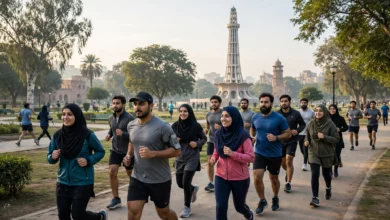
The most dangerous hours are usually from about 11 am to 4 pm. Schedule errands, shopping and travel for early morning or after sunset to cut your heatstroke risk. If you must go out, walk in the shade and take breaks indoors.
3. Drink Fluids Before You Feel Thirsty
Thirst is a late signal, and dehydration is a direct path to heatstroke. Drink water steadily throughout the day. Traditional drinks such as lassi, lemon water (shikanjvi), sattu and fresh coconut water help replace fluids and salts. Use oral rehydration salts (ORS) if you are sweating heavily, working outdoors or have diarrhoea.
4. Avoid Drinks That Dehydrate
Sugary sodas, energy drinks and too much tea or coffee can make dehydration worse. Fake or adulterated soft drinks, which are common in Pakistani markets, add another risk, as explained later in this article.
5. Wear Light, Loose Cotton Clothes
Choose loose, light-coloured cotton or lawn clothing that lets sweat evaporate and helps prevent heatstroke. Cover your head with a cap, hat, dupatta or umbrella. A wet cloth around the neck can help in dry heat.
6. Keep Your Home Cool
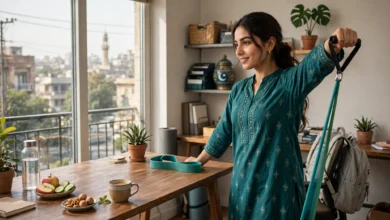
Close curtains and windows on the sunny side during the day, then open them at night for ventilation. Use fans, coolers or air conditioners where available. On top floors, a white or reflective roof coating can lower indoor temperatures. A cool home sharply reduces heatstroke risk, especially for children and the elderly.
7. Plan for Loadshedding
Long power cuts during heatwaves are a major cause of heatstroke, particularly at night. Keep a charged rechargeable fan, use a UPS or solar setup sized for at least one fan, and identify a cooler place such as a relative’s home, mosque or community centre where you can go during long outages.
8. Never Leave Anyone in a Parked Car
A closed car can heat up to deadly temperatures within minutes, even in the shade, causing heatstroke in children very quickly. Never leave children, elderly people or pets inside a parked vehicle, not even “for just a moment.”
9. Eat Light, Seasonal Food
Heavy, oily meals raise body heat, make digestion harder and add to heatstroke risk. Choose lighter foods such as yogurt, salads, daal, khichdi and seasonal fruits like watermelon and cucumber, which also add fluids.
10. Take Cool Showers and Rest Often
A cool (not ice-cold) shower or sponge bath helps lower body temperature. If you work or exercise, take regular breaks in the shade to avoid heatstroke and stop at the first sign of dizziness or weakness.
11. Check on Vulnerable People
Visit or call elderly neighbours, relatives who live alone, and people with chronic illness during a heatwave. Make sure they have water, a working fan and someone to call. Many heatstroke deaths happen quietly at home.
12. Protect Outdoor Workers
Employers should adjust working hours to avoid peak heat, provide shade, drinking water and rest breaks, and train supervisors to recognise heatstroke. Workers should start early, take frequent breaks and never ignore warning signs to finish a shift.
The Reality Check: Illegal Practices That Make Heatwaves Deadlier
Heatwaves are a natural hazard, but in Pakistan, illegal and unsafe practices often turn them into heatstroke disasters. Understanding these risks helps families make safer choices.
Fake Soft Drinks and Adulterated Beverages
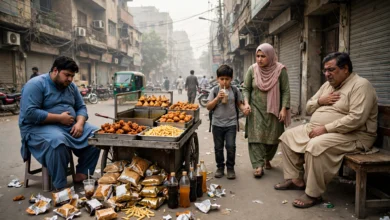
Demand for cold drinks rises with the temperature, and so does the business of counterfeiters. The Punjab Food Authority has repeatedly raided factories producing fake versions of popular soft drinks. In one operation, it sealed two factories near Wagah and Haloki and seized 56,772 litres of spurious drinks that were being supplied to bus and railway stations across Punjab. In another case, investigators said a single factory had sold 3.37 million fake bottles of a well-known brand. These drinks are made with chemicals, harmful colours and often dirty water. They do nothing to prevent heatstroke and can cause stomach infections that worsen dehydration.
Contaminated Ice From Illegal Factories
Many people buy block ice or iced drinks from street vendors in summer. The Punjab Food Authority has sealed ice factories for using unfiltered water and unhygienic transport. Contaminated ice can spread diarrhoea, typhoid and cholera, and a stomach infection during a heatwave sharply increases the risk of severe dehydration and heatstroke.
Electricity Theft and Long Power Cuts
During the June 2024 Karachi heatwave, Edhi Foundation head Faisal Edhi said many areas faced 15 to 20 hours of power cuts, and fainting incidents became common. Electricity theft through illegal kunda connections is one reason distribution companies impose longer loadshedding in high-loss areas. Stolen power does not only cost money. During a heatwave, it can cost lives.
Unsafe Working Conditions and Labour Violations
Pakistan has national and provincial laws meant to protect workers, but enforcement is weak. Outdoor labourers, brick kiln workers and factory staff often keep working through extreme heat because they cannot afford to lose a day’s wage. Labour advocates describe some brick kilns as places of confinement, with workers standing on hot kiln surfaces for hours. Denying workers water, shade or rest during a heatwave is not only unethical, it can cause fatal heatstroke.
What These Cases Teach Us
- Cheap, unbranded drinks and street ice can do more harm than good in summer.
- Electricity theft makes heatwaves more dangerous for everyone.
- Worker safety is a legal and moral responsibility, not a favour.
- Reporting fake drinks, illegal ice plants and labour abuses to authorities helps protect the public.
The Human Cost: Lessons From Karachi’s Heatwaves
In June 2015, a heatwave combined with humidity and power outages killed more than 1,200 people in Karachi, many of them outdoor workers and elderly residents. In June 2024, the Edhi Foundation reported receiving 568 bodies in Karachi over five days, far above its usual daily average, as temperatures and humidity soared. The Sindh government disputed that all of these deaths were heat-related and confirmed far fewer official heatstroke deaths, saying many victims were homeless people or drug addicts.
Whatever the exact number, the pattern is clear. Heatstroke hits the poorest and most vulnerable hardest: people without shade, without reliable power, without clean water and without anyone checking on them. The World Health Organization’s fact sheet on heat and health warns that heat-related deaths are often undercounted because they are recorded as heart or kidney failure.
Special Advice for Different Groups
Children and Infants
- Dress them in light, loose clothes.
- Offer older children water often to prevent heatstroke. Breastfeed infants under six months more frequently instead of giving them water.
- Keep them indoors during peak hours and never in parked cars.
Elderly People
- Remind them to drink water even when not thirsty.
- Check their medicines with a doctor during heatwaves.
- Give them the coolest room in the house.
People Fasting in Summer
- Drink plenty of fluids between iftar and sehri.
- Avoid salty, fried foods that increase thirst.
- Stay out of the sun during the day and break the fast if heatstroke symptoms appear, as health takes priority.
Students and Athletes
- Schedule sports and training early in the morning or late evening.
- Take frequent water breaks and rest in the shade.
- Stop immediately if dizziness, confusion or nausea appear.
Frequently Asked Questions About Heatstroke
What is the main difference between heat exhaustion and heatstroke?
Heat exhaustion causes heavy sweating, weakness and dizziness but the person stays alert. Heatstroke involves a body temperature of 40°C or higher with confusion, fainting or seizures, and it is a medical emergency.
Can heatstroke happen at night?
Yes. When nights stay hot, especially during long power cuts, the body cannot recover from daytime heat, and heatstroke can develop indoors at night, particularly in the elderly.
Is ORS better than plain water in a heatwave?
Plain water is enough for most people to prevent heatstroke. ORS is helpful when you are sweating heavily, working outdoors, or have diarrhoea or vomiting, as it replaces lost salts.
When should I go to the hospital?
Go immediately if someone has confusion, fainting, a seizure, a very high temperature, or does not improve within 30 minutes of cooling and fluids.
Conclusion
Heatstroke is a preventable killer that returns to Pakistan every summer, striking outdoor workers, the elderly, children, homeless people and families stuck in hot homes during long power cuts; recognising the warning signs, acting fast with cooling and emergency help, and following simple habits such as staying out of the midday sun, drinking enough fluids, wearing light cotton clothes, keeping homes cool, planning for loadshedding and checking on vulnerable neighbours can save lives, while the illegal practices that make heatwaves deadlier, from fake soft drinks and contaminated ice to electricity theft and unsafe working conditions, show that protecting people from heatstroke is not only a personal responsibility but also a test of honest business, fair labour practices and effective government action.