Top 10 Apps Every Freelancer in Pakistan Should Use
A practical guide to apps for freelancers in Pakistan, covering payments, taxes, security and client tools, plus real scams and account bans to avoid.
Top 10 Apps Every Freelancer in Pakistan Should Use
Introduction
Apps for freelancers in Pakistan are usually sold as a shortcut to dollars. Scroll through any Facebook group and you’ll see the same pitch: install this, connect that, and the money starts flowing. The reality is less glamorous and a lot more useful. The right apps don’t make you rich. They help you get paid on time, keep your accounts safe, file your taxes properly and look professional to a client in London or Texas who has never met you.
Pakistan has more than two million active freelancers, and that number keeps growing. So does the list of things that can go wrong. Freelancers here have lost earnings to internet slowdowns, had wallets frozen, been banned for using rented accounts, and handed savings to “online earning” apps that turned out to be Ponzi schemes.
This guide is built around those realities. It covers ten freelancing apps that genuinely help, from Upwork and Fiverr to Payoneer, local wallets, FBR’s tax app and a password manager you should have set up yesterday. It also walks through real cases of fraud and illegal activity from the past few years, so you can recognise the warning signs before they cost you.
Whether you’re a student landing your first gig or an experienced developer billing international clients, the goal is simple: a toolkit that keeps your freelancing in Pakistan legal, secure and sustainable.
Why Apps for Freelancers in Pakistan Need a Different Lens
Most global “best freelancer apps” lists assume you can open PayPal, rely on stable fibre and never think about which country your wallet’s owner is registered in. Choosing apps for freelancers in Pakistan means planning around four local realities.
Getting paid is the hardest part
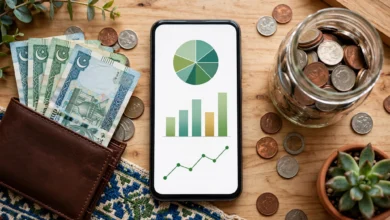
PayPal still doesn’t let Pakistani residents receive payments, so freelancers depend on Payoneer, direct bank transfers and newer digital wallets. Every extra step adds fees, exchange-rate losses and a point where money can get stuck. That’s why your payment apps matter more than your design or productivity apps.
The internet can disappear without warning
In August 2024, freelancers across the country reported severe slowdowns. The Pakistan Software Houses Association (P@SHA) estimated losses of up to $300 million and linked the disruption to a new national firewall, while the government pointed to a fault in a submarine cable (Arab News). Fiverr reportedly marked some Pakistan-based sellers as “unavailable” because they couldn’t reliably deliver work. Whatever the cause, the lesson is the same: you need apps that work offline, sync when the connection returns, and a backup connection such as a mobile data package.
VPN use has rules now
After free VPNs were widely blocked, the PTA introduced a registration portal with a dedicated category for freelancers (Internet Society Pulse). If your work genuinely requires a VPN, for example to reach a client’s private server, register it properly. Using a VPN to fake your location on a freelancing platform is a different matter, and it’s covered below because it gets accounts banned.
Tax is not optional anymore
Freelance income is taxable. Under Section 154A of the Income Tax Ordinance, freelancers registered with the Pakistan Software Export Board (PSEB) have been paying a reduced 0.25% on IT export remittances received through proper banking channels, while non-registered freelancers pay 1%. Rates and deadlines change with each budget, so confirm the current rules on the FBR website before you file. Being a filer also cuts withholding taxes on banking and property, which adds up fast.
Lessons From Past Scams and Illegal Activity
Before looking at the apps for freelancers in Pakistan that are worth installing, it helps to see what has already gone wrong. Every case below involved an app or website that looked like a legitimate way to earn online.
The e2click.com “click and earn” fraud (2015)
The FIA arrested a Sialkot man accused of defrauding more than 5,000 people of about Rs 2 billion through a website that charged a registration fee and promised profits for posting and clicking ads. Early users received small payouts, which built trust before the money vanished (Gulf News). The “pay to join, earn by clicking” model still circulates today under new names.
The $100 million crypto investment apps (2022)
FIA’s Cyber Crime Wing in Sindh investigated 11 investment apps linked to Binance that allegedly took around $100 million from Pakistani users. The apps worked like Ponzi schemes, promising high returns for bringing in new investors, and the FIA put debit blocks on linked bank accounts (Dawn). Reported investments ranged from $100 to $80,000 per person, and many users had been sold the apps as a form of “online earning.”
Influencers named in an FIR
In 2022, a Karachi court ordered the FIA to register a case over an online investment scam and named a social media personality who had advertised the app, alongside the account holder. The “company” turned out to be registered on a Caribbean island with no presence in Pakistan (ProPakistani). If you promote apps to your audience as a freelancer or creator, this case is worth remembering.
When a wallet’s parent company is in trouble (2025)
In May 2025, Turkish authorities detained 13 people, including the founder of Papara, the fintech that had acquired Pakistan’s SadaPay, over allegations of money laundering and illegal betting (ProPakistani). SadaPay said it had no operational or technological link to the case and wasn’t named in the probe. Still, in March 2026, users publicly complained about frozen accounts and unexplained deductions. Nobody has shown SadaPay itself did anything illegal, but the episode shows why freelancers should never keep all their earnings in one wallet.
Rented accounts and fake locations
A quieter but common problem is buying or renting a foreign Upwork or Fiverr account, or using a VPN to pose as a US-based freelancer. Both break platform rules on identity, and both can end with a permanent ban and withheld earnings. It also exposes you to fraud by the person “renting” you the account, who controls the payout method.
The red flags these cases share
- You must pay a fee or “deposit” before you can earn.
- Returns are guaranteed, or you earn more by recruiting others.
- The company has no verifiable office or regulator in Pakistan.
- Payments go to a personal or random business account.
- Influencers push it hard, but no one can explain where the money actually comes from.
Top 10 Apps for Freelancers in Pakistan
These are the apps for freelancers in Pakistan that cover the full cycle: finding work, getting paid, staying legal, doing the work and protecting your accounts. Fees and features change often, so check each official site before you rely on a number.
1. Upwork: for long-term, higher-paying clients
Upwork is where many Pakistani developers, writers and virtual assistants build steady, long-term contracts. Clients post jobs, you send proposals using paid “Connects,” and Upwork holds payment in escrow on fixed-price work.
- Why it matters here: escrow and hourly tracking protect you from clients who disappear without paying.
- Watch out for: Upwork verifies identity, so register under your own name and real location. Never accept a client’s request to move payment off the platform before a contract exists, because that breaks the terms and removes your protection.
2. Fiverr: the easiest place to start
Fiverr flips the model. You list services as “gigs” and buyers come to you. It’s the most beginner-friendly freelancing platform for Pakistanis in design, video editing, voiceovers and digital marketing.
- Why it matters here: low barrier to entry and a huge buyer base.
- Watch out for: Fiverr keeps a 20% commission on each order, and it has acted on accounts when sellers couldn’t deliver reliably, as happened during the 2024 internet slowdown. Set realistic delivery times and keep a backup connection.
3. Payoneer: the backbone of freelance payments
With PayPal unavailable, Payoneer is how most Fiverr and Upwork earnings reach Pakistan. You get receiving accounts in foreign currencies and can withdraw to a local bank account.
- Why it matters here: it’s widely accepted by platforms and international clients.
- Watch out for: compare Payoneer’s conversion rate with your bank’s, and withdraw to an account in your own name. Your bank must see the income as a foreign remittance for the reduced freelancer tax rate to apply.
4. NayaPay or SadaPay: fast local wallets
Both are licensed by the State Bank of Pakistan as electronic money institutions and offer virtual debit cards, quick transfers and, in many cases, ways to receive freelance remittances.
- Why it matters here: a virtual card makes it easier to pay for software subscriptions legally.
- Watch out for: the SadaPay and Papara episode shows why you should keep your main savings in a regular bank and treat wallets as a spending and transfer layer.
5. FBR Tax Asaan and the PSEB portal: stay legal
The FBR Tax Asaan app lets you register, file your income tax return and check whether you’re on the Active Taxpayer List. Pair it with PSEB freelancer registration to qualify for the lower tax rate on IT exports.
- Why it matters here: being a filer lowers your withholding tax and gives you documents that banks, landlords and visa offices increasingly ask for.
- Watch out for: don’t pay “agents” on social media for PSEB registration. It is done through the official portal.
6. Google Workspace: email, files and documents
Gmail, Drive, Docs and Meet are the default toolkit for client work. A custom-domain Workspace email (you@yourname.com) also looks far more professional than a free address.
- Why it matters here: turn on offline mode in Google Docs and Drive so load-shedding or a slowdown doesn’t stop you working.
- Watch out for: never share client files through public links. Restrict access to specific emails.
7. Slack and Zoom: client communication
Most agencies and startups abroad run on Slack for daily chat and Zoom or Google Meet for calls.
- Why it matters here: responding quickly and professionally on the client’s own tools is often what wins repeat work.
- Watch out for: if a client contacts you through a platform like Upwork, keep communication there until a contract is in place.
8. Notion or Trello: managing projects and deadlines
Notion works as a notebook, client wiki and task board in one. Trello is simpler, with drag-and-drop cards. Both have free plans that cover most solo freelancers.
- Why it matters here: juggling three clients across time zones is impossible from memory.
- Watch out for: keep sensitive client credentials out of shared boards. That’s what a password manager is for.
9. Canva: proposals, portfolios and quick designs
Canva helps non-designers create clean proposals, invoices, portfolio PDFs and social posts for their own marketing.
- Why it matters here: a polished portfolio is often the difference between a reply and silence.
- Watch out for: don’t sell Canva templates or stock elements as your own original design work. Read Canva’s licensing terms before using its assets in client deliverables.
10. Bitwarden and an authenticator app: protecting everything
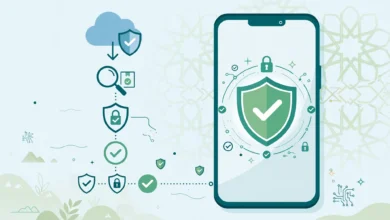
A hacked Fiverr, Upwork or Payoneer account can wipe out months of earnings. Bitwarden is a free, open-source password manager, and an authenticator app such as Google Authenticator or Microsoft Authenticator adds two-factor login codes.
- Why it matters here: phishing messages pretending to be from Fiverr support or Payoneer are common in Pakistani freelancer groups.
- Watch out for: never share login codes with anyone, including people claiming to be platform staff. Real support teams do not ask for them.
Honourable mentions
- Grammarly for cleaner client emails and proposals.
- Clockify for free time tracking on hourly work outside Upwork.
- AI assistants like ChatGPT or Claude for drafts and research, as long as you check the output and follow each client’s policy on AI use.
Quick Comparison of the 10 Freelancer Apps
Use this table to see where each of these apps for freelancers in Pakistan fits in your workflow.
| App | Job it does | Cost to start | Works offline | Main risk to manage |
|---|---|---|---|---|
| Upwork | Finding long-term clients | Free to join, paid Connects | No | Off-platform payment requests |
| Fiverr | Selling fixed services | Free to join, 20% commission | No | Late delivery during outages |
| Payoneer | Receiving foreign payments | Free account, fees on transfers | No | Exchange-rate losses |
| NayaPay / SadaPay | Local wallet and virtual card | Free | No | Keeping too much money in one wallet |
| FBR Tax Asaan + PSEB | Tax filing and registration | Free | No | Fake registration agents |
| Google Workspace | Email, files, documents | Free (paid for custom email) | Yes, Docs and Drive | Public file links |
| Slack / Zoom | Client communication | Free plans | No | Leaving the platform too early |
| Notion / Trello | Projects and deadlines | Free plans | Partly | Passwords stored on boards |
| Canva | Proposals and portfolios | Free plan | No | Asset licensing |
| Bitwarden + authenticator | Account security | Free | Yes | Sharing login codes |
Apps and Habits Every Freelancer in Pakistan Should Avoid
Knowing what to skip is just as important as choosing the right apps for freelancers in Pakistan. These are the traps that keep showing up.
“Online earning” and task apps
Apps that pay you to like videos, watch ads, rate products or complete “tasks” after a deposit are not freelancing. They follow the same pattern as the e2click and crypto app cases above. Real clients pay you for skills, not for joining.
Cracked software
Pirated Adobe, Microsoft Office or premium plugins are common in Pakistan, but they’re also a major source of password-stealing malware. One infected laptop can expose your Fiverr, Payoneer and email accounts at once. Use free legal alternatives such as LibreOffice, GIMP or DaVinci Resolve until a client project justifies a paid licence.
Unofficial “modded” apps
Modified versions of WhatsApp, Canva Pro or Grammarly Premium shared on Telegram can carry spyware and violate the original app’s terms. If a premium feature matters to your work, pay for it.
Shared and rented accounts
Sharing one Upwork or Fiverr account between friends, or renting one from someone abroad, almost always ends in a ban. Platforms track devices, IP addresses and payout details.
Habits that protect you
- Keep two internet connections, such as home broadband plus a mobile data package.
- Withdraw earnings regularly instead of letting large balances sit on a platform or wallet.
- Keep invoices and payment records for tax filing and bank queries.
- Turn on two-factor authentication on every account that touches money.
- Read platform terms once a year. They change, and “I didn’t know” doesn’t reverse a ban.
Frequently Asked Questions
What are the most important apps for freelancers in Pakistan to start with?
Start with one marketplace (Fiverr or Upwork), Payoneer for receiving payments, a password manager with two-factor authentication, and Google Workspace for files and email. Add tax and project tools as your work grows.
Can I use PayPal for freelancing in Pakistan?
Pakistani residents still can’t receive payments through PayPal. Payoneer, direct bank transfers and platform withdrawals to local banks are the common legal routes.
Do freelancers in Pakistan have to pay tax?
Yes. Freelancers registered with PSEB have been paying a reduced final tax on IT export remittances, while unregistered freelancers pay a higher rate. Check the current rate with FBR, file your return through Tax Asaan or IRIS, and keep your remittance records.
Is it safe to keep freelance earnings in a digital wallet?
Licensed wallets are regulated by the State Bank of Pakistan, but it’s wise to use them for spending and transfers and keep most of your savings in a regular bank account. Spreading money across accounts limits the damage if one gets frozen.
Is using a VPN on Upwork or Fiverr allowed?
Using a registered VPN for genuine work reasons is one thing. Using it to hide your country or pretend to be based abroad breaks platform rules and is a common cause of permanent bans.
Conclusion
The best apps for freelancers in Pakistan are the ones that solve local problems: Upwork and Fiverr to find clients, Payoneer and licensed wallets to get paid, FBR Tax Asaan and PSEB registration to stay legal, Google Workspace, Slack, Notion and Canva to do professional work, and Bitwarden with two-factor authentication to protect it all. Pakistan’s record of online fraud, from the e2click scheme and the $100 million crypto apps to influencer-promoted investment scams, along with internet slowdowns and wallet freezes, shows that a freelancer’s biggest risks are rarely about skill. They come from shortcuts, unverified apps and keeping everything in one place. Build your toolkit on official platforms, spread your money across accounts, file your taxes, keep a backup connection, and treat any app that asks you to pay before you earn as a red flag.
Keyword Research Notes
Top-ranking pages for this topic split into two groups: Pakistani freelancing guides (Jobbers, IDT Pakistan, AbroadMate) that focus on platforms, skills and tax rates, and global “best freelancer apps” lists that ignore Pakistan entirely. Almost none cover payment risks, account bans or past scams, which is the gap this article fills.
- Primary keyword: apps for freelancers in Pakistan
- LSI keywords: freelancing in Pakistan, freelancing apps, freelancing platform, Payoneer Pakistan, Fiverr and Upwork, PSEB registration, freelancer tax Pakistan, FBR Tax Asaan, online earning scams, digital wallets, two-factor authentication