Suzuki vs Toyota vs Honda: Which Brand Offers the Best Value in Pakistan?
Suzuki vs Toyota vs Honda in Pakistan: real comparison of price, resale, fuel economy, and maintenance to help you pick the smartest buy.
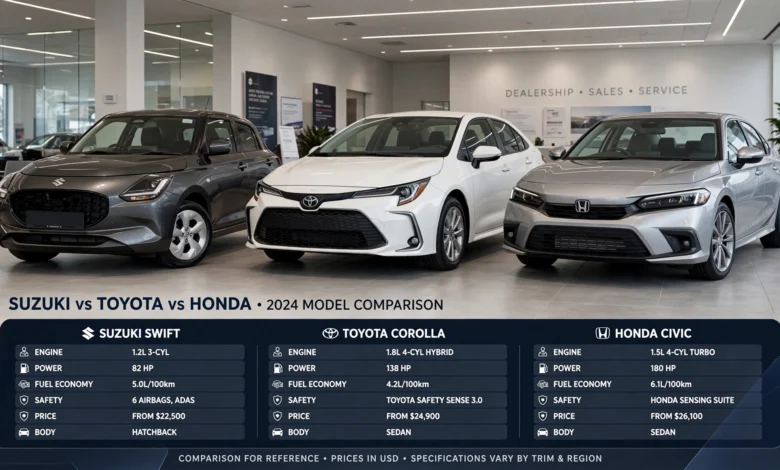
Suzuki vs Toyota vs Honda is one of the most searched car comparisons in Pakistan, and for good reason. Anyone who has walked into a showroom in Lahore, Karachi, or Islamabad knows the feeling: three big names, three very different price tags, and no clear answer on which one actually saves you money over the years you own it. This article breaks down the real cost of ownership, not just the sticker price, so you can decide which brand actually gives you the best value for your rupee.
Pakistan’s car market runs on a mix of local assembly, import duties, and currency swings, which means the “best” car isn’t always the one with the flashiest badge. Suzuki has built its name on affordability and a repair network that reaches almost every small town. Toyota is the brand people trust for resale value and long-term reliability. Honda sits somewhere in between, known for peppy engines and a more premium feel without Toyota-level pricing.
In this guide, we’ll compare all three brands across the factors that actually matter to a Pakistani buyer: purchase price, fuel economy, resale value, maintenance cost, spare parts availability, and after-sales service. We’ll also look at specific model matchups, like the Suzuki Alto against the Honda City and Toyota Corolla, so you can see exactly where your money goes. By the end, you’ll have a practical framework for choosing between these three brands based on your budget and how long you plan to keep the car.
Why the Suzuki vs Toyota vs Honda Debate Matters in Pakistan
Car ownership in Pakistan isn’t like ownership in most other markets. Import restrictions, high duties on completely built units, and a heavy reliance on locally assembled vehicles mean that Suzuki, Toyota, and Honda dominate close to 90% of new car sales. There’s very little competition from other brands at scale, which makes the choice between these three even more important.
A few realities shape this market:
- Resale value matters more here than in most countries because people often sell their car within 3 to 5 years to upgrade.
- Fuel prices are volatile, so a car’s mileage per liter directly affects your monthly budget.
- Spare parts and mechanic familiarity can make or break your ownership experience, especially outside major cities.
- Currency depreciation has pushed prices up across the board, making the value comparison between brands even sharper than it used to be.
Understanding these factors is the foundation for comparing Suzuki vs Toyota vs Honda properly, rather than just looking at which car looks nicer in the showroom.
Suzuki: The Budget Champion
Why Suzuki Wins on Price
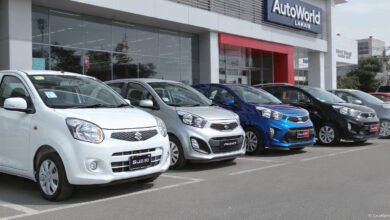
Suzuki Pakistan, through Pak Suzuki Motor Company, has long been the default choice for first-time car buyers. Models like the Alto, WagonR, and Cultus dominate the entry-level and mid-range segments because they’re simply cheaper to buy and cheaper to run.
Key advantages of choosing Suzuki:
- Lower purchase price compared to equivalent Toyota or Honda models.
- Excellent fuel economy, especially in the Alto and WagonR, which are built for city driving.
- Widest mechanic network in the country, meaning you’ll find a Suzuki mechanic in almost any town.
- Cheapest spare parts across the three brands, which keeps routine maintenance affordable.
Where Suzuki Falls Short
Suzuki isn’t perfect. Buyers often point to:


- Smaller engines that feel underpowered on the motorway.
- A more basic interior compared to Honda or Toyota at similar price points.
- Lower resale value retention on some models compared to a Toyota Corolla, though this gap has narrowed as Suzuki demand has grown.
Still, for someone buying their first car or looking for a practical daily driver, Suzuki offers the best value in Pakistan on a pure affordability basis.
Toyota: The Reliability and Resale King
The Toyota Reputation
Ask almost any car buyer in Pakistan why they’d pick Toyota, and the answer is usually the same: it holds its value and it doesn’t break down. The Corolla, in particular, has built a reputation over decades as the car you buy when you want peace of mind.
What makes Toyota stand out:
- Best resale value in the country, often retaining 70-80% of its value after a few years, sometimes more depending on the model year and market conditions.
- Proven engine reliability, with many Corollas running well past 200,000 kilometers with basic maintenance.
- Strong after-sales network, including Toyota Indus Motor Company’s service centers across major cities.
- Higher trust factor, which matters a lot when it’s time to sell.
The Trade-Off: Higher Upfront Cost
The catch is price. A Toyota Corolla or Yaris costs noticeably more than a comparable Suzuki or even some Honda models. Maintenance, while not exorbitant, tends to be pricier than Suzuki because of costlier parts and slightly higher labor charges at authorized service centers.
For buyers planning to keep their car for 7 to 10 years or more, or who prioritize resale value when it’s time to upgrade, Toyota often works out cheaper in the long run despite the higher initial cost. According to industry data compiled by the Pakistan Automotive Manufacturers Association, Toyota consistently ranks among the top sellers in the sedan segment, which reflects this long-term trust.
Honda: The Middle Ground With a Sporty Edge
What Honda Brings to the Table
Honda Atlas Cars Pakistan has carved out a niche between Suzuki’s affordability and Toyota’s reliability reputation. The Honda City and Civic are popular with buyers who want a more engaging driving experience without jumping to premium pricing.
Strengths of choosing Honda:
- Better performance and handling compared to Suzuki, with more responsive engines.
- More features per rupee in mid-range trims, including better infotainment and safety kits in newer models.
- Solid resale value, though generally a notch below Toyota’s Corolla.
- Younger, more stylish design language that appeals to buyers who want their car to look modern.
Where Honda Struggles
- Maintenance costs can run higher than Suzuki, and parts availability, while good in major cities, isn’t as widespread as Suzuki’s network in smaller towns.
- Some older Honda models had known issues with certain transmission types, which buyers should research carefully before purchasing a used unit.
- Fuel economy on Civic and City variants, especially with bigger engines, doesn’t quite match the frugality of a Suzuki Alto or WagonR.
Honda tends to be the pick for buyers who want a balance: better driving dynamics than Suzuki, without paying the full Toyota premium.
Head-to-Head: Suzuki vs Toyota vs Honda by Category
Purchase Price
Suzuki wins here almost every time. Entry-level Suzuki models are priced well below comparable Honda or Toyota vehicles, making the brand the natural choice for buyers with tighter budgets. Honda usually sits in the middle, and Toyota commands the highest prices, particularly for the Corolla and Fortuner lineups.
Fuel Economy
For city driving, Suzuki’s smaller-engine models generally deliver the best mileage per liter. Toyota’s Corolla and Yaris are efficient for their class but not as frugal as the Alto or WagonR. Honda’s City and Civic fall somewhere in between, with efficiency depending heavily on engine size and driving style.
Resale Value
This is where Toyota clearly leads. A used Corolla holds its price far better than most competitors, which is a major reason people are willing to pay more upfront. Honda holds decent resale value too, particularly the City, while Suzuki’s resale value has improved but generally still trails Toyota.
Maintenance and Spare Parts
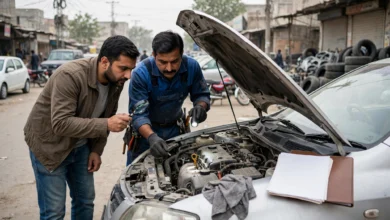
Suzuki is the clear winner for affordability and availability, especially outside major cities. Toyota parts are pricier but backed by a strong dealer network. Honda parts are readily available in cities but can be harder to source in smaller towns, and labor costs at authorized centers tend to be on the higher side.
After-Sales Service Network
All three brands have established dealership networks across Pakistan, but Suzuki’s reach into smaller cities and rural areas is unmatched. Toyota and Honda are strongest in major urban centers, with slightly less coverage in remote areas.
Model-by-Model Value Comparison
To make this comparison more concrete, here’s how popular models stack up against each other in terms of value for money:
- Suzuki Alto vs Entry-Level Competitors: The Alto remains one of the cheapest new cars available, with excellent fuel economy and low running costs. Its main competition isn’t really Honda or Toyota at this price point since neither brand offers a direct rival.
- Suzuki Cultus vs Honda City (Base Variants): The Cultus is more affordable and fuel-efficient, while the City offers more space, better ride quality, and a more premium feel for a higher price.
- Honda City vs Toyota Yaris: These two go head-to-head in the compact sedan segment. The City tends to offer sportier handling, while the Yaris leans toward comfort and Toyota’s trusted reliability.
- Honda Civic vs Toyota Corolla: The Civic is often praised for a more modern design and better tech features, while the Corolla wins on long-term reliability and stronger resale value.
How to Decide Which Brand Fits Your Budget
Choosing between Suzuki, Toyota, and Honda ultimately comes down to what you value most as a buyer. Here’s a simple way to think about it:
- If your top priority is the lowest purchase price and cheapest running costs, Suzuki is the practical choice, particularly for city commuting.
- If you plan to keep the car long-term and care about resale value, Toyota is worth the extra upfront investment.
- If you want a balance of performance, features, and moderate pricing, Honda fits that middle ground well.
- If you drive mostly in a big city with easy access to dealerships, Honda and Toyota parts availability becomes less of a concern.
- If you live in a smaller town or rural area, Suzuki’s wider mechanic and parts network gives you more peace of mind.
It also helps to look at real-world listings and used car prices before making a final decision. Sites like PakWheels track actual resale prices across cities, which gives a much clearer picture than showroom prices alone of how each brand holds its value over time.
Common Mistakes Buyers Make in This Comparison
- Focusing only on the sticker price without factoring in fuel economy, insurance, and maintenance over 5 years.
- Ignoring resale value when buying, then being surprised at how little the car fetches when it’s time to sell.
- Assuming all Honda or Toyota trims are equally reliable when engine and transmission types can vary significantly between variants.
- Not test driving all three brands before deciding, since ride comfort and handling preferences are personal and can’t be judged from spec sheets alone.
- Overlooking total cost of ownership, which includes registration, token tax, and insurance premiums that can differ between brands and engine sizes.
Final Verdict: Which Brand Offers the Best Value in Pakistan?
There’s no single winner in the Suzuki vs Toyota vs Honda debate because “best value” depends on what you’re optimizing for. If your goal is the lowest cost of entry and ownership, Suzuki is hard to beat. If you want the strongest resale value and long-term dependability, Toyota justifies its higher price tag. If you’re after a middle path with better performance and features without going full premium, Honda makes a compelling case.
The smartest approach is to match the brand to your actual driving habits and how long you intend to keep the car, rather than picking based on brand reputation alone.
Conclusion
Comparing Suzuki vs Toyota vs Honda in Pakistan isn’t about crowning one universal winner, it’s about matching the right brand to your budget, driving needs, and ownership timeline. Suzuki remains the go-to for affordability and nationwide service reach, Toyota continues to lead on resale value and long-term reliability, and Honda offers a solid middle ground for buyers who want a bit more performance without the full Toyota price tag.
Whichever brand you choose, looking beyond the showroom price to fuel economy, maintenance costs, and resale trends will help you make a decision that actually saves you money over the years you own the car.